
LabGrade 6, 7 · MS-ESS2-4
Cloud & Storm Lab
Warm the ground with sunlight in 3D and watch a parcel of air rise, cool, build a cloud and sometimes a thunderstorm. Find out how the energy the ground absorbs changes how high the air rises.
Every sim plays free, with no account. Sign in to assign one to a class.
73 sims in the library
Warm the ground with sunlight in 3D and watch a parcel of air rise, cool, build a cloud and sometimes a thunderstorm. Find out how the energy the ground absorbs changes how high the air rises.

Work a service bay as an automotive technician. Start a rough-running car, read the tachometer, coolant gauge, oxygen sensor and scan tool, find the misfiring cylinder and change its spark plug safely, balance the fuel mixture, and see how a clogged air filter starves the engine of energy.

Work as an electrician in a small workshop. Flip breakers, plug a lamp, a drill, a saw and a heater into outlets on different circuits, and read a clamp meter, a multimeter and the panel's load meter. Use I = P ÷ V to keep every circuit under its breaker's rating, then lock out and tag out the panel before you fit the breaker for a new heater circuit.

A spoken conversation with Jordan, an AI classmate who did most of a group project and feels let down. Students listen, see Jordan's side, and work out a fair plan, and their teacher reviews how it went.
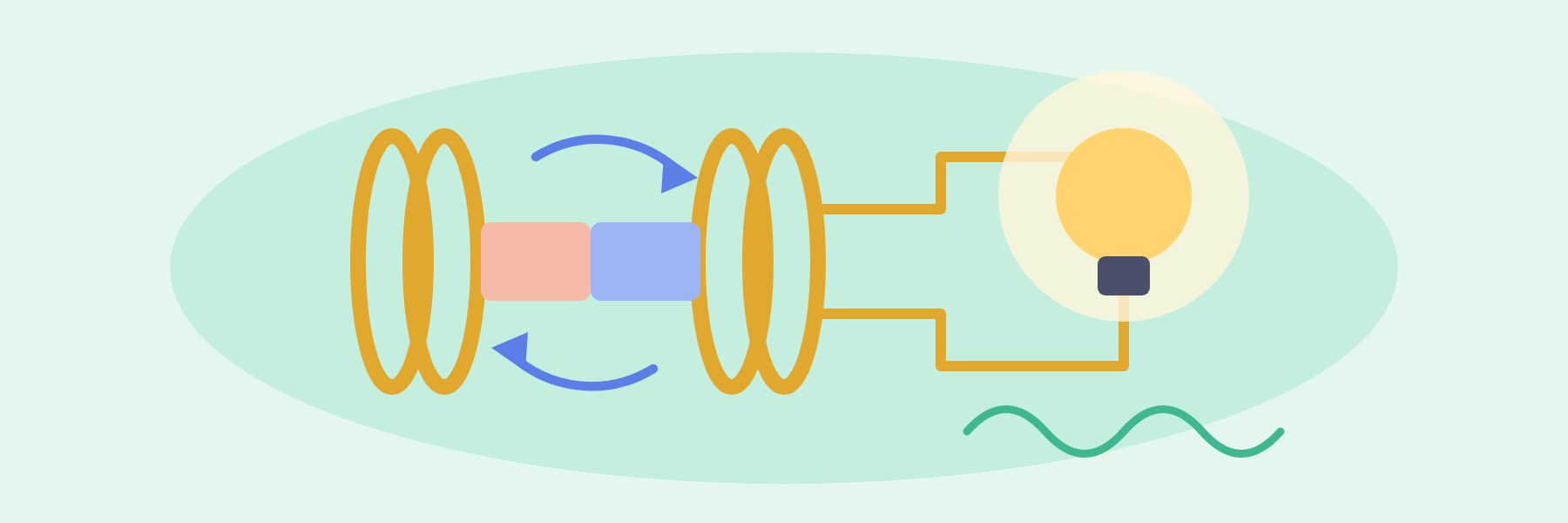
Spin a magnet inside a coil of wire and watch the voltmeter swing. Change how fast it spins, how strong the magnet is and how many turns the coil has to find what makes a bigger voltage.
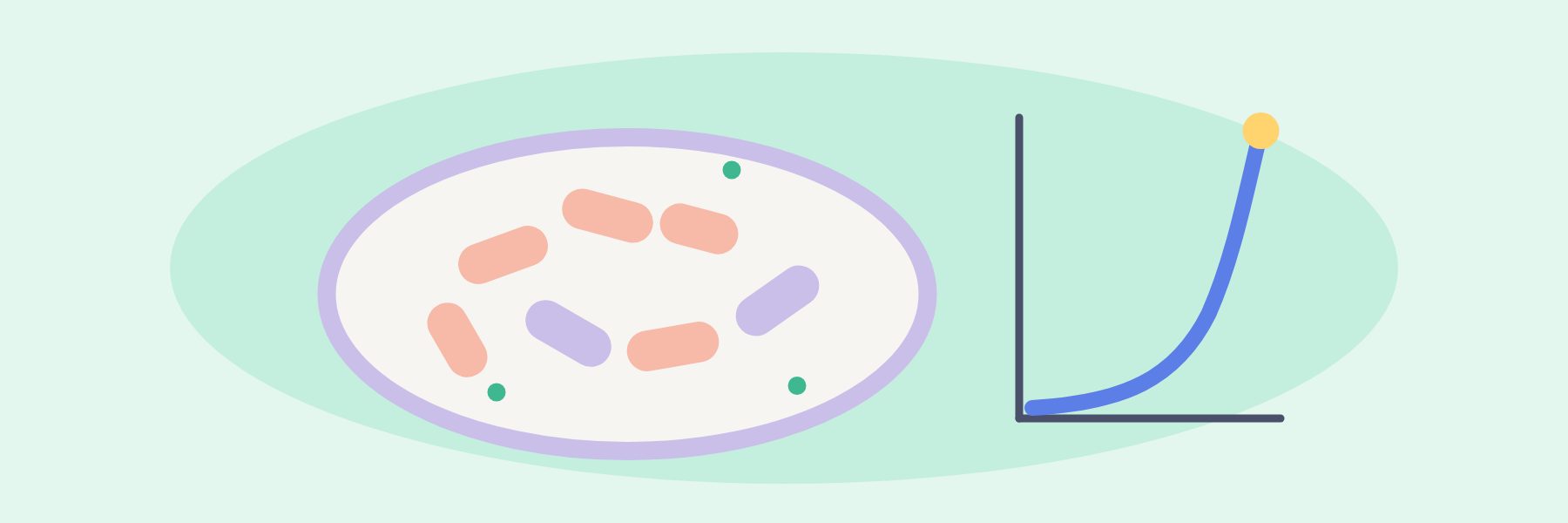
Watch bacteria in a drop of broth stretch and divide under the microscope, doubling again and again until their food runs out. Find out how temperature and food change how fast they multiply.
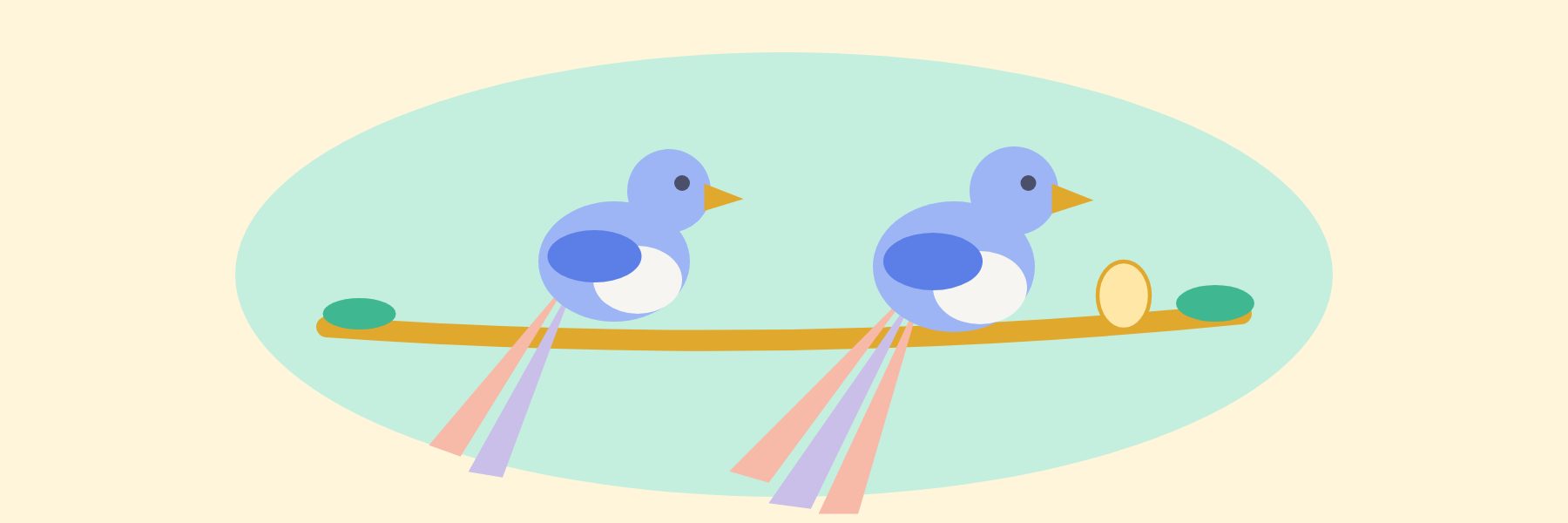
Run a breeding program for a flock of 40 birds whose tails vary in length. Each generation only the longest-tailed birds breed. Find out how the share of the flock you let breed changes how fast the average tail grows.
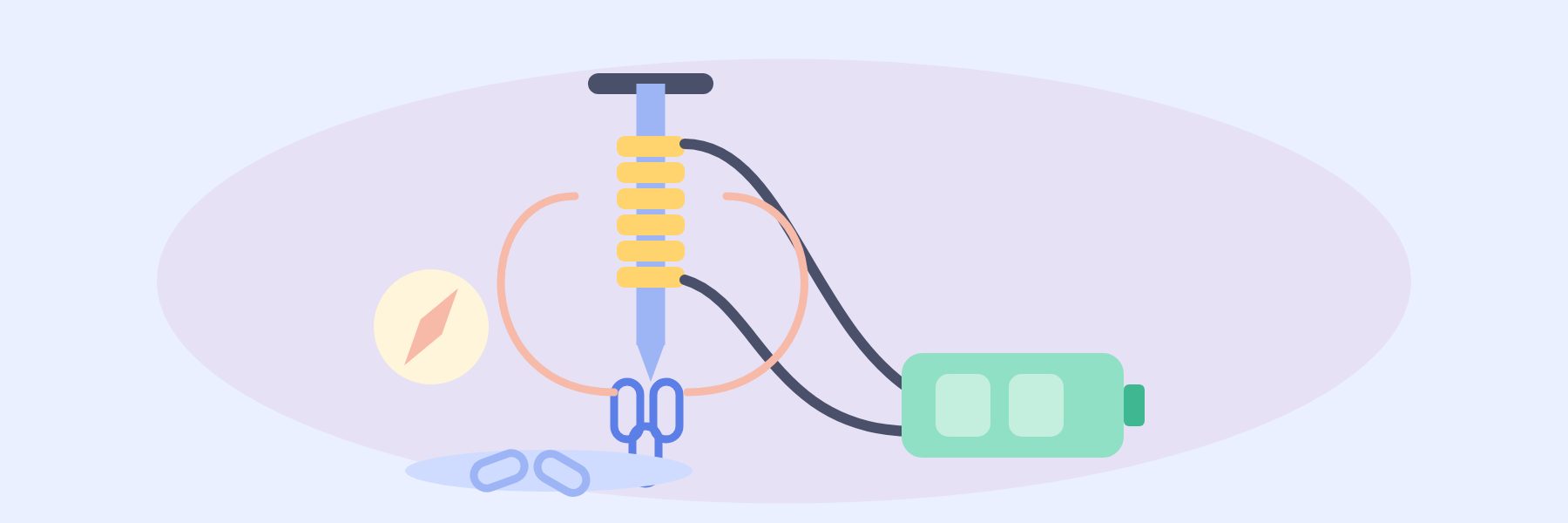
Wrap a coil of wire round an iron nail, join it to a battery, and pick up paperclips in 3D. Find out how the number of turns in the coil changes the magnet's strength, and why it stops getting much stronger.

Answer a service call as an HVAC technician: lock out the power, clean the condenser coil, read the manifold gauges and charge the refrigerant until the air coming out is cold again.

Plan how much of a 400 km² tropical landscape becomes oil palm plantation, watch it change in 3D over 20 years, and see how many orangutans the forest can still support. Weigh orangutans against palm oil and income, and test whether wildlife corridors change the tradeoff.
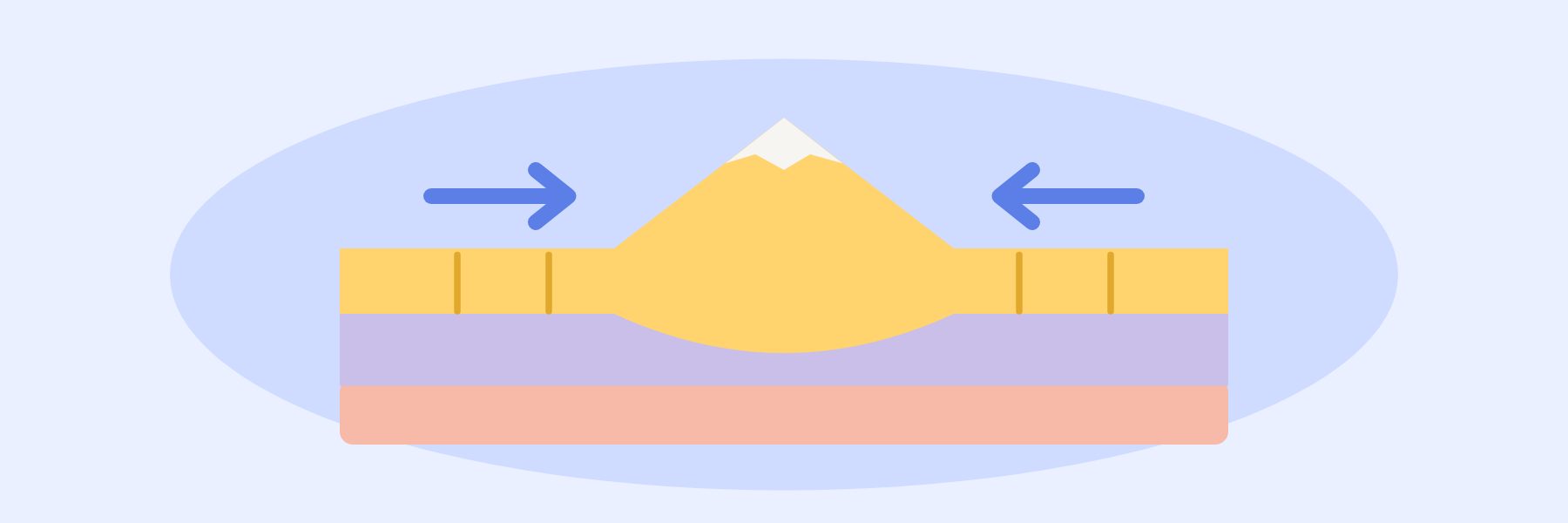
Cut open a 2,000 km block of Earth in 3D and let two plates move for millions of years: continents collide and mountains rise, an ocean plate sinks under a continent with a trench and volcanoes, or a continent splits and a new ocean opens. Find out how the speed of the plates, a few centimetres a year, changes what they build.
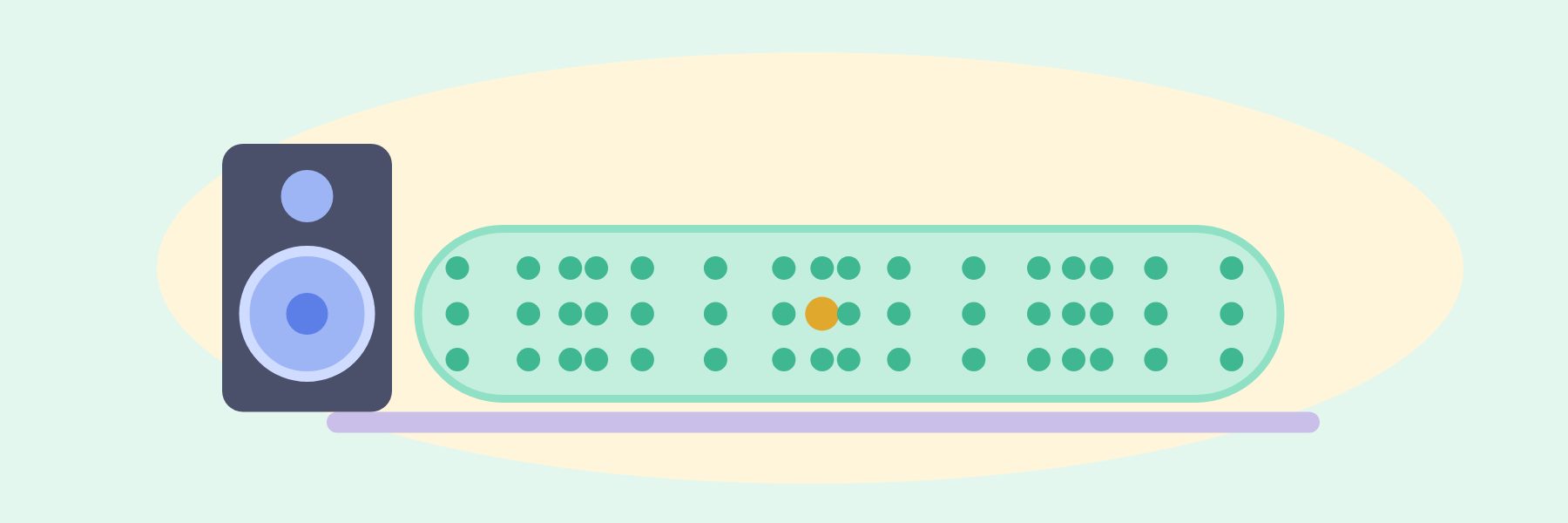
Play a note from a speaker into a long tube of air, in slow motion and in 3D, and follow one air molecule as the sound passes. Find out how the loudness changes how far each molecule moves, and whether the air itself travels to your ear.
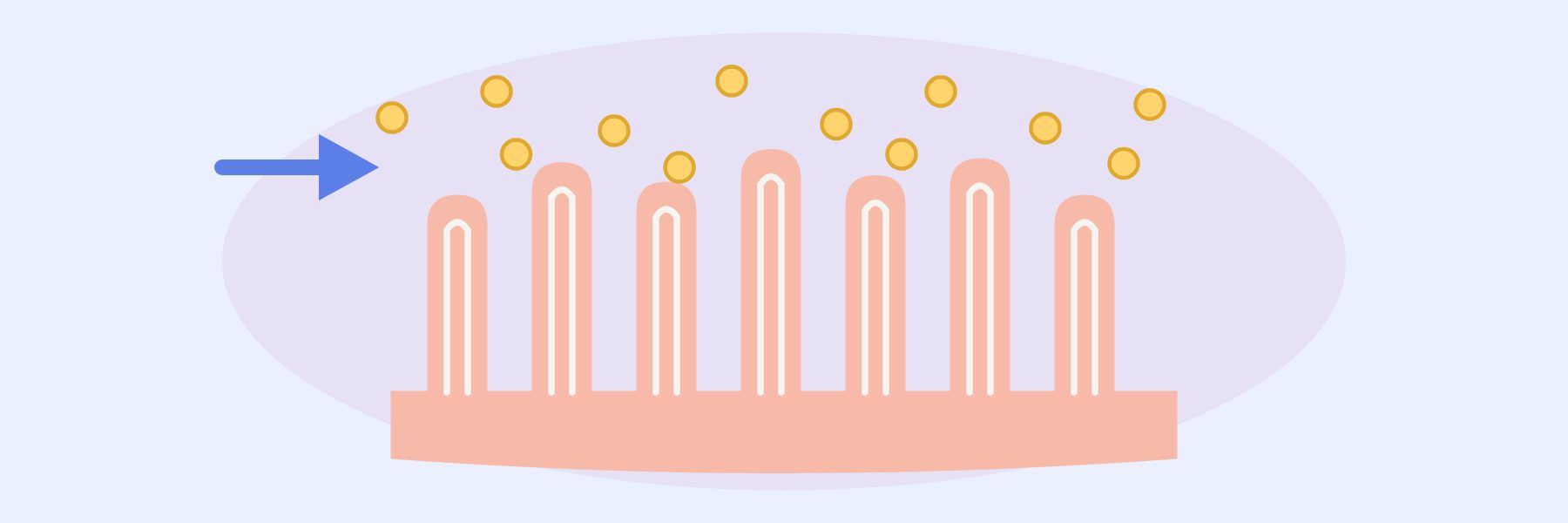
Zoom in on a patch of small-intestine wall in 3D, covered in finger-like villi, as digested food flows past. Find out how the height of the villi, and so the wall's surface area, changes how many nutrients are absorbed each minute.

Run a town's water treatment plant after a storm: open the intake, dose coagulant, settle and filter the floc, backwash the filter, and set the chlorine so the water leaving the plant is clear and safe.
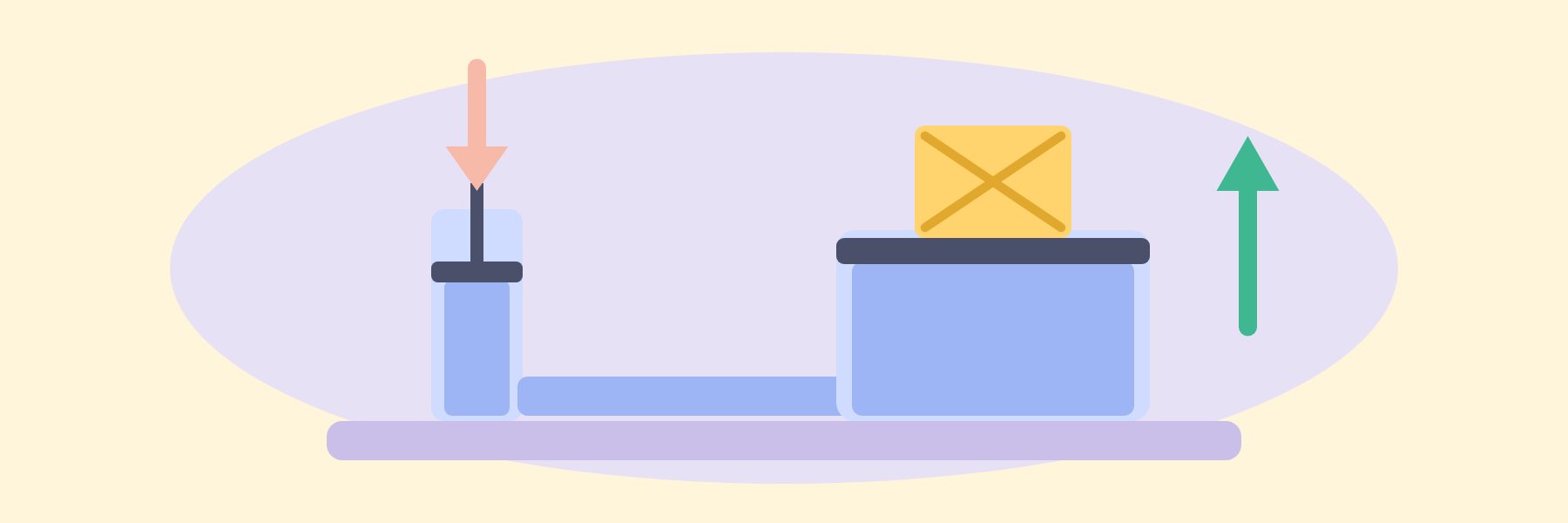
Push a small piston on a sealed column of water in 3D and watch a big piston lift a heavy crate. Find out how the size of the big piston changes the lifting force, and what you pay for it in distance.
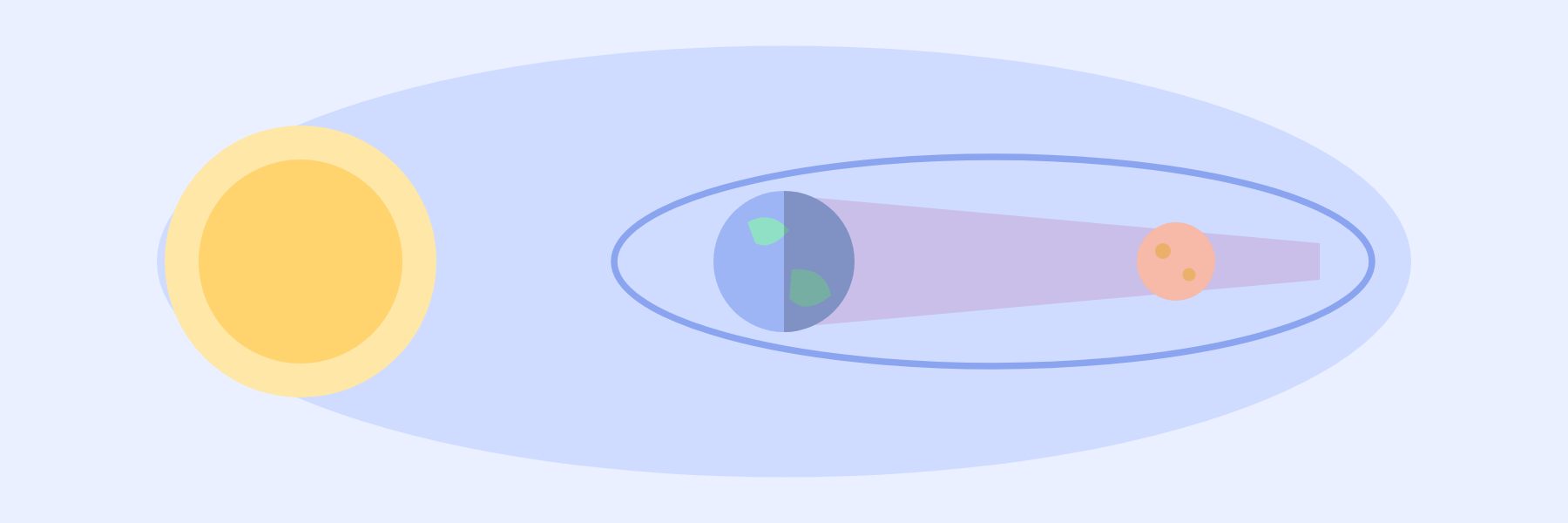
Watch the full moon pass Earth's shadow in 3D: the Sun, Earth with day and night, the umbra and penumbra, and the Moon turning coppery red in totality. Find out why most full moons are not eclipses.

Run water down a tray of sediment in 3D and find out how the slope of the land changes how much sediment the stream wears away.
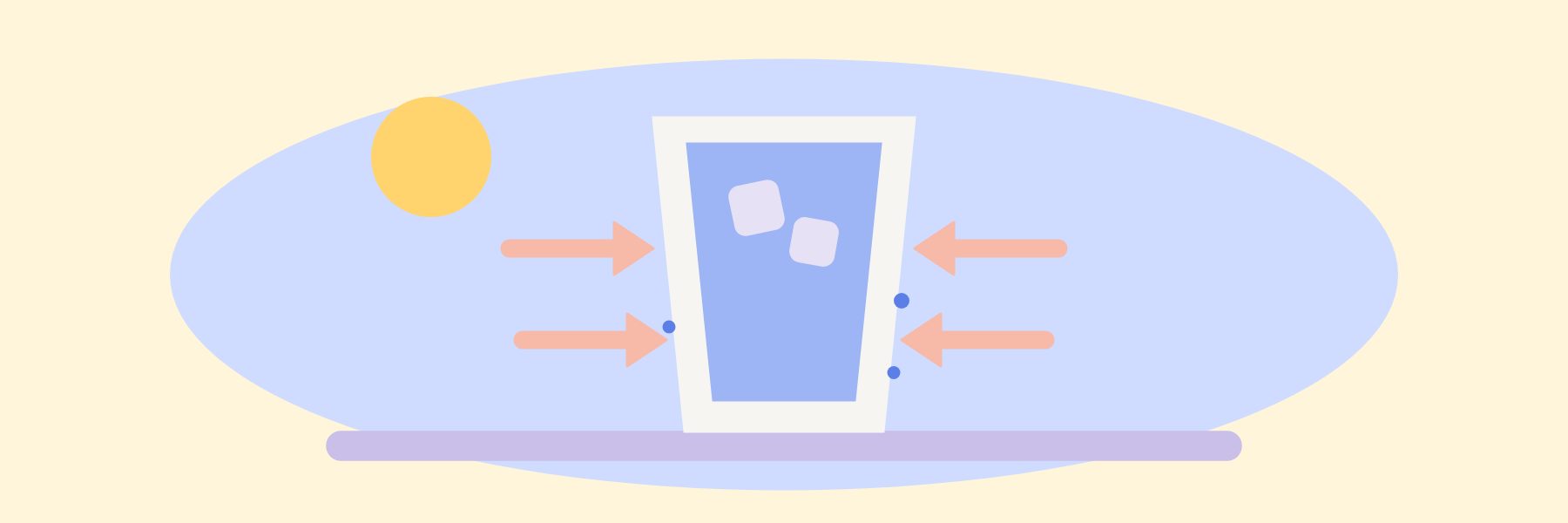
Pour a fridge-cold drink into a cup in a warm room, in 3D, and look inside the cup's wall to see particles passing energy along. Find out how the wall's thickness, the cup's material and a lid change how long the drink stays cold.
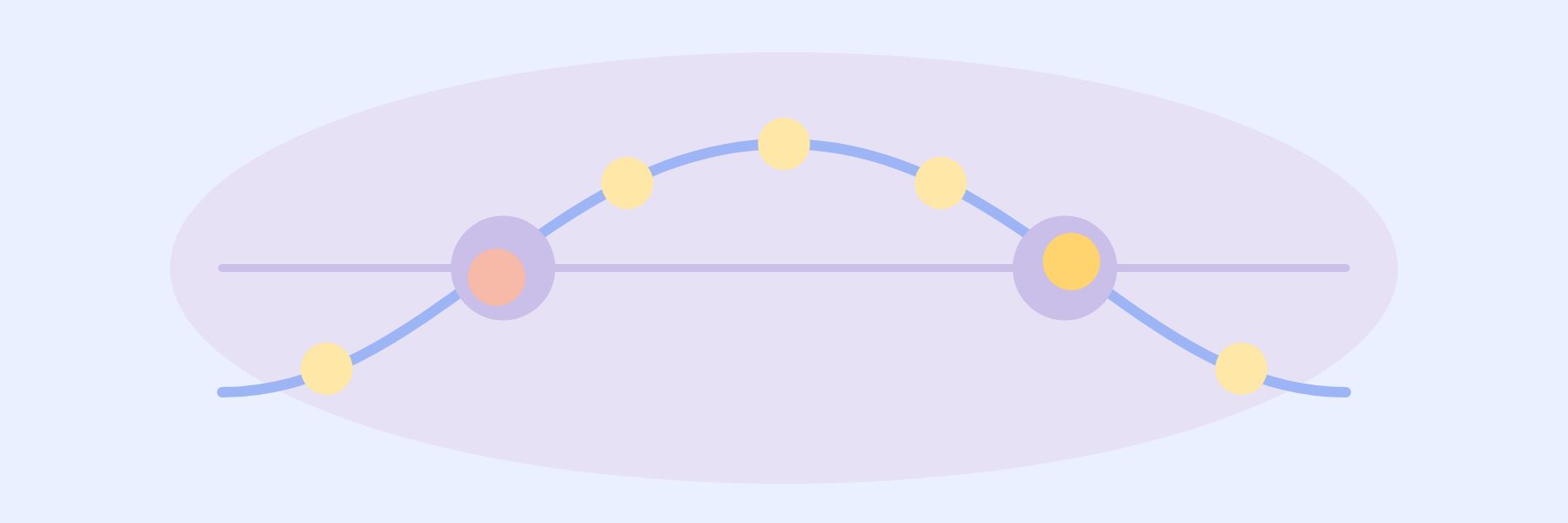
Hunt for lunar eclipses along the Moon's tilted path. Spot the full moon near a node, call total, partial or none, and count a year's eclipses, then watch the Moon slide into Earth's shadow and turn coppery.
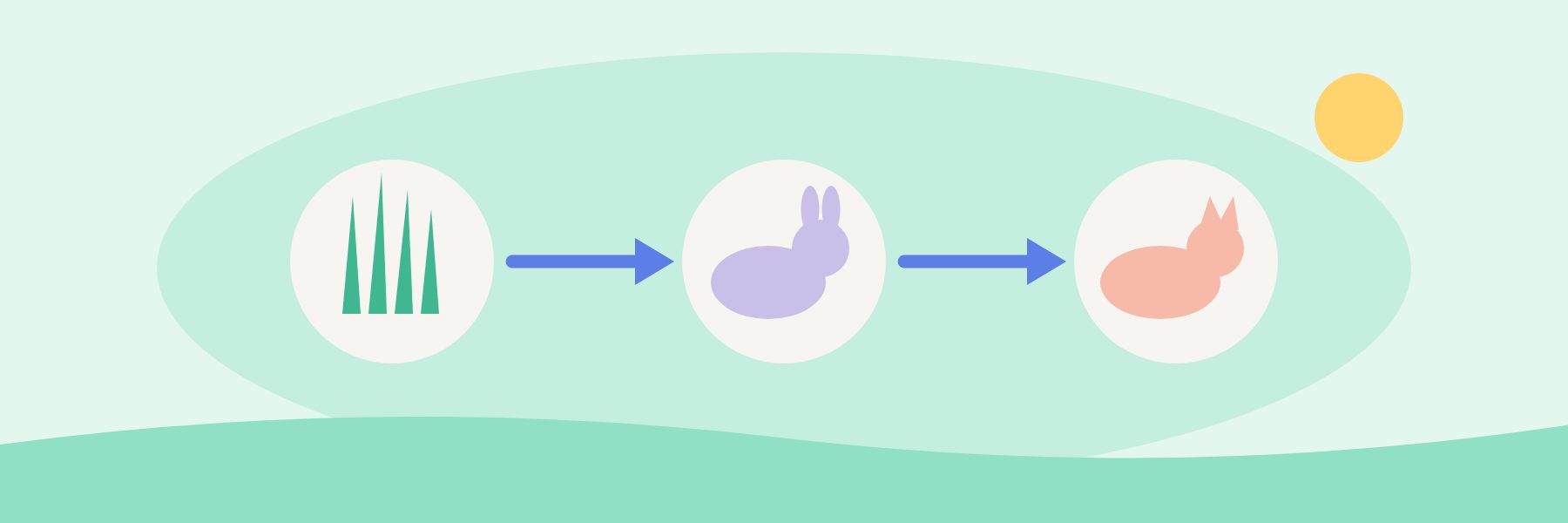
A quick food web game in a kelp forest, a meadow and a pond: point energy arrows the right way, predict what happens when a population changes, and put each living thing on its level.

Place the Moon on its orbit to make a phase, order the phases through a month, match eclipses to their line-ups, find the full moons that could be eclipses, and explain why eclipses are rare.
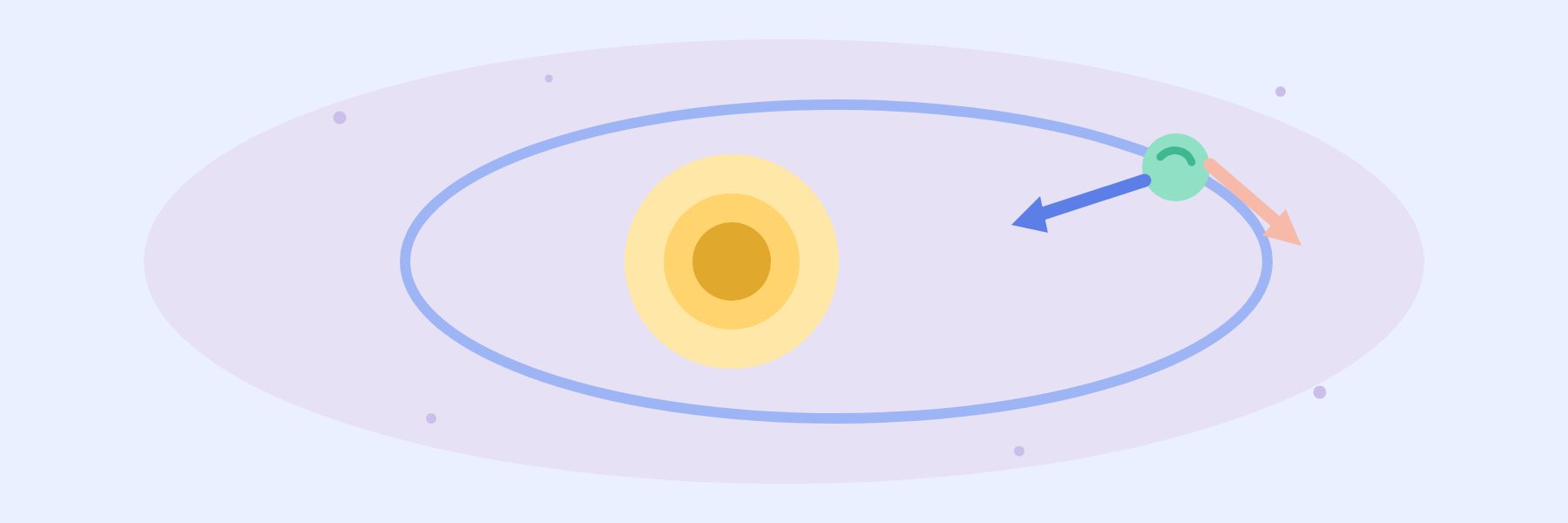
Launch a planet sideways past a star in 3D and watch the path gravity gives it: a circle, a stretched ellipse, a crash, or an escape. Find out how the launch speed changes the orbit.
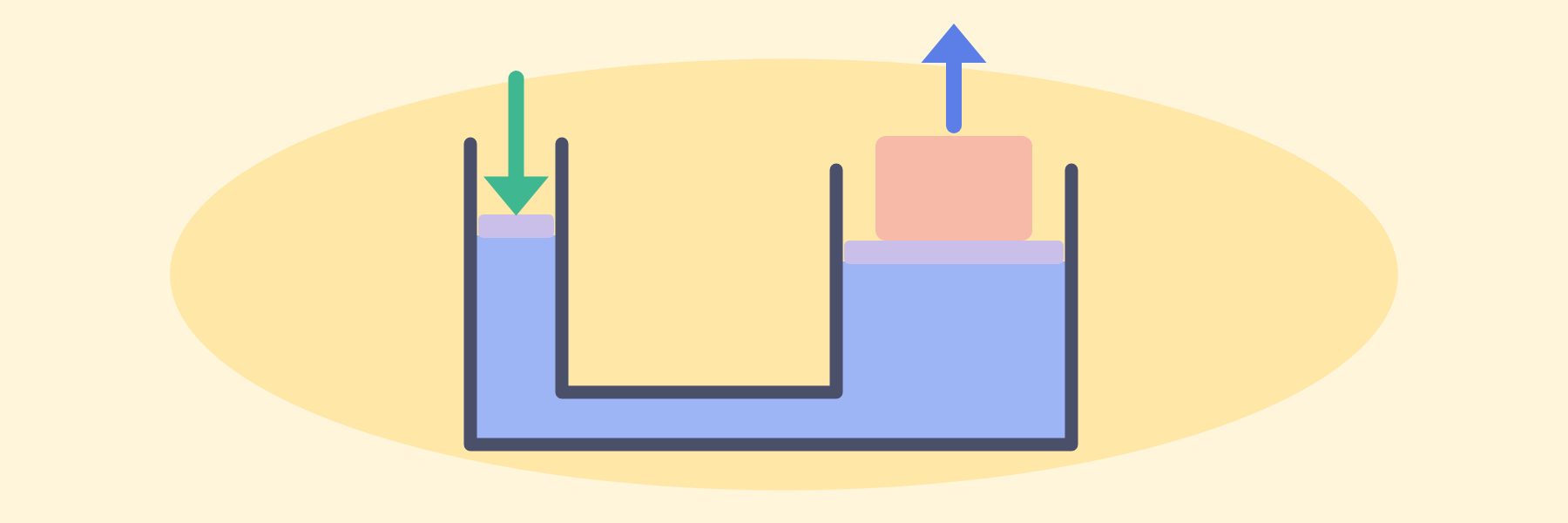
Work out the lifting force of a hydraulic press, rank presses, load crates onto the right pistons, read a pressure in kPa, size a piston with the area of a circle, and compare work in with work out.
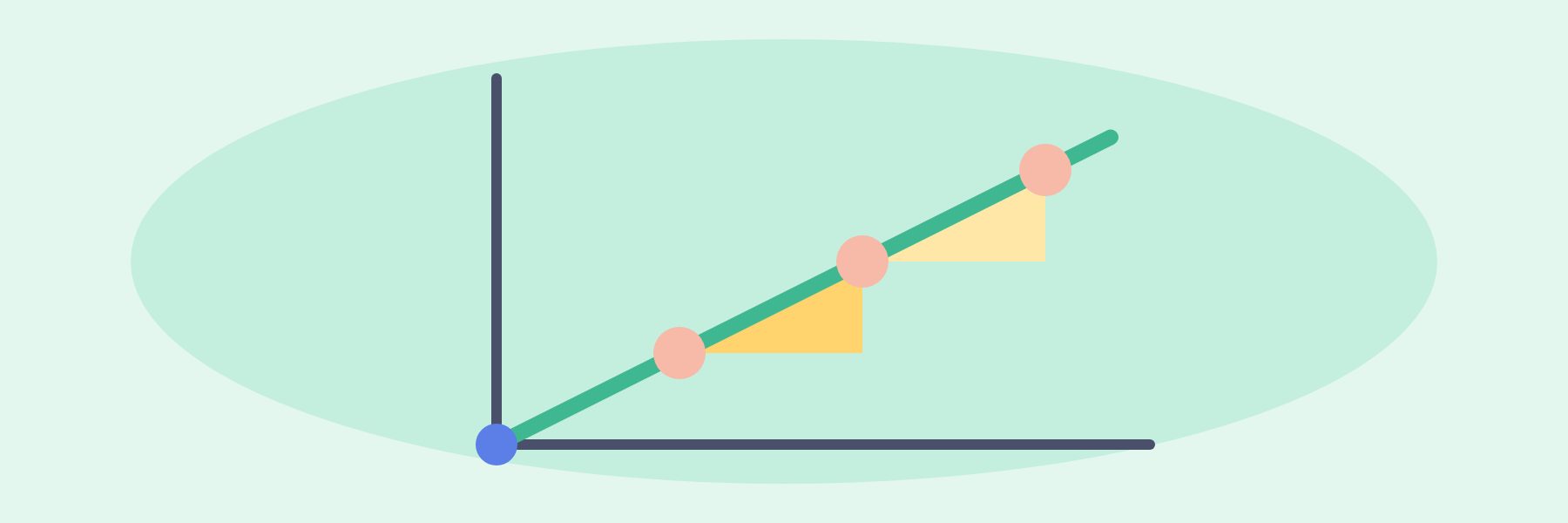
Find k in a table, plot points and decide if they are proportional, set a line to y = kx, match equations to graphs, read a unit rate from a graph, and explain what (0, 0) means.
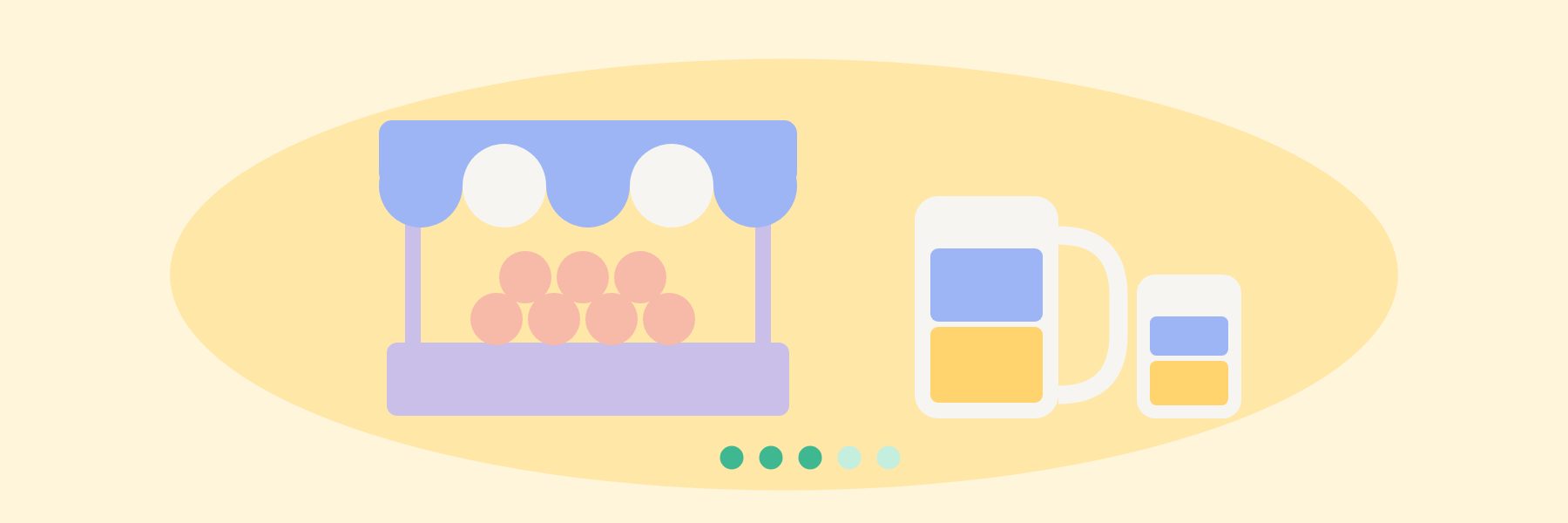
A quick market game: spot the best buy by unit price, mix juice that tastes the same, and fill the gaps in ratio tables. Points for every right answer, a bonus for streaks.
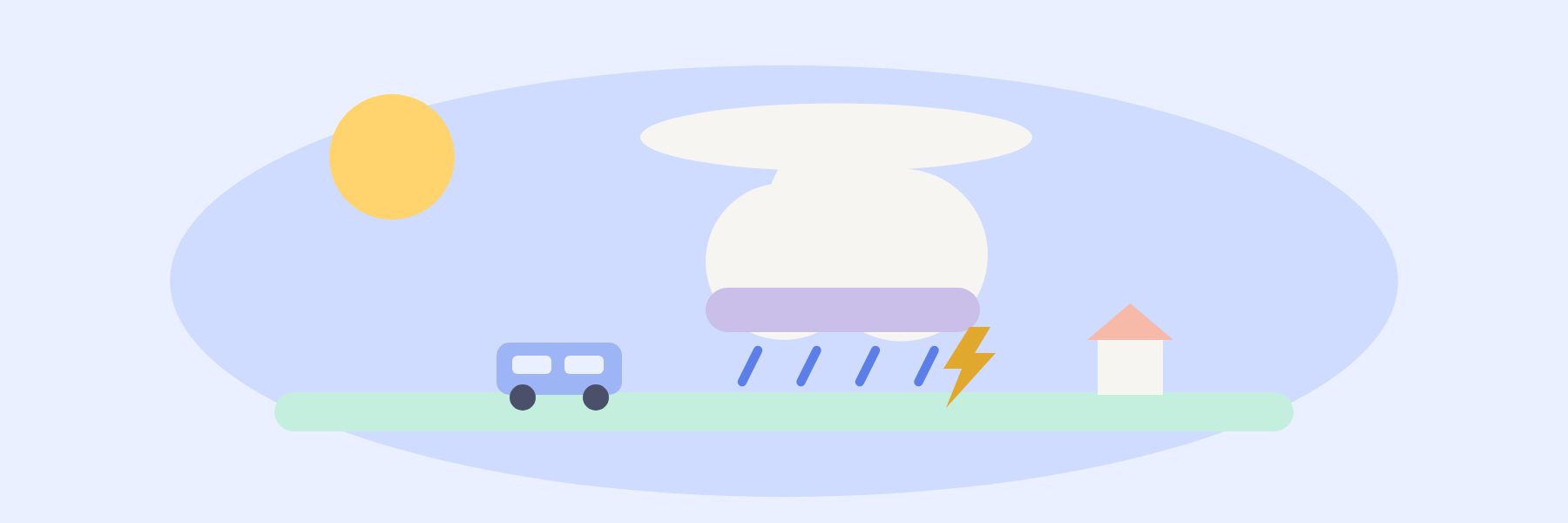
Read the morning sky like a weather watcher: sunshine, warmth, wet or dry ground and cold fronts. Predict the afternoon, then watch the cloud build, rain, or stay away.

Place the cloud base on a graph, work out how rising air cools, label clouds and the water cycle, find where a cold front builds storms, and explain which morning brews a thunderstorm.
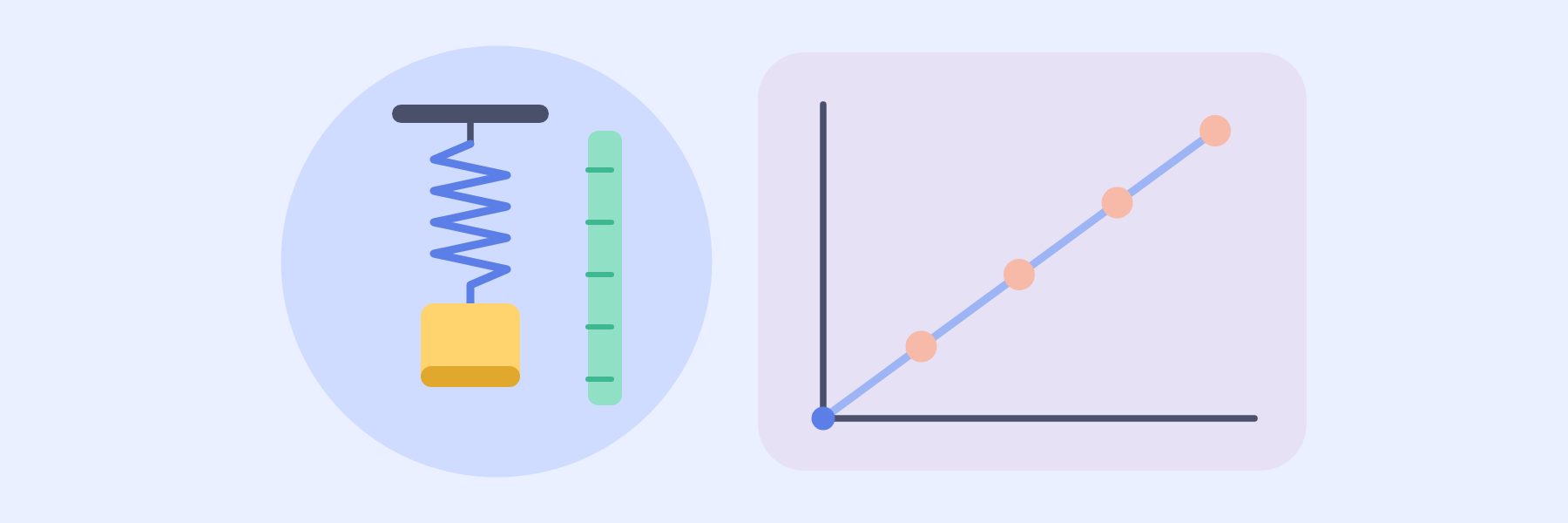
Hang masses on a spring and measure how far it stretches. Find the pattern between the mass and the stretch in your own data.
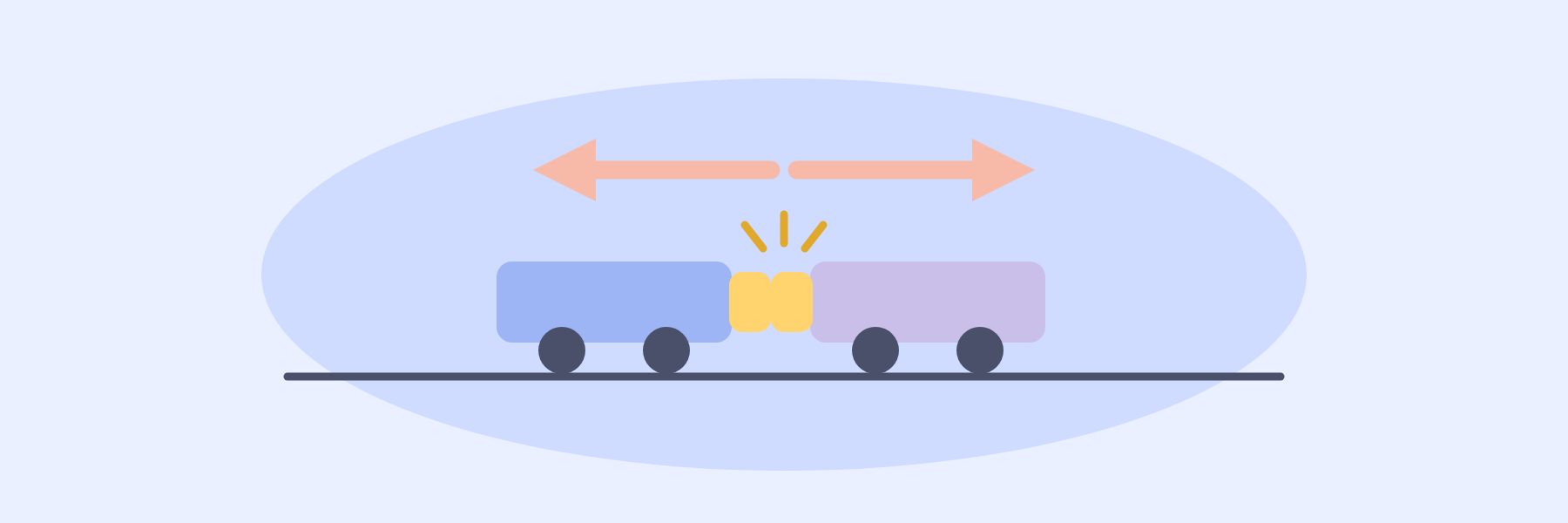
Crash two carts together with springy, soft or sticky bumpers. Track their momentum, and see the equal and opposite forces during the bump.
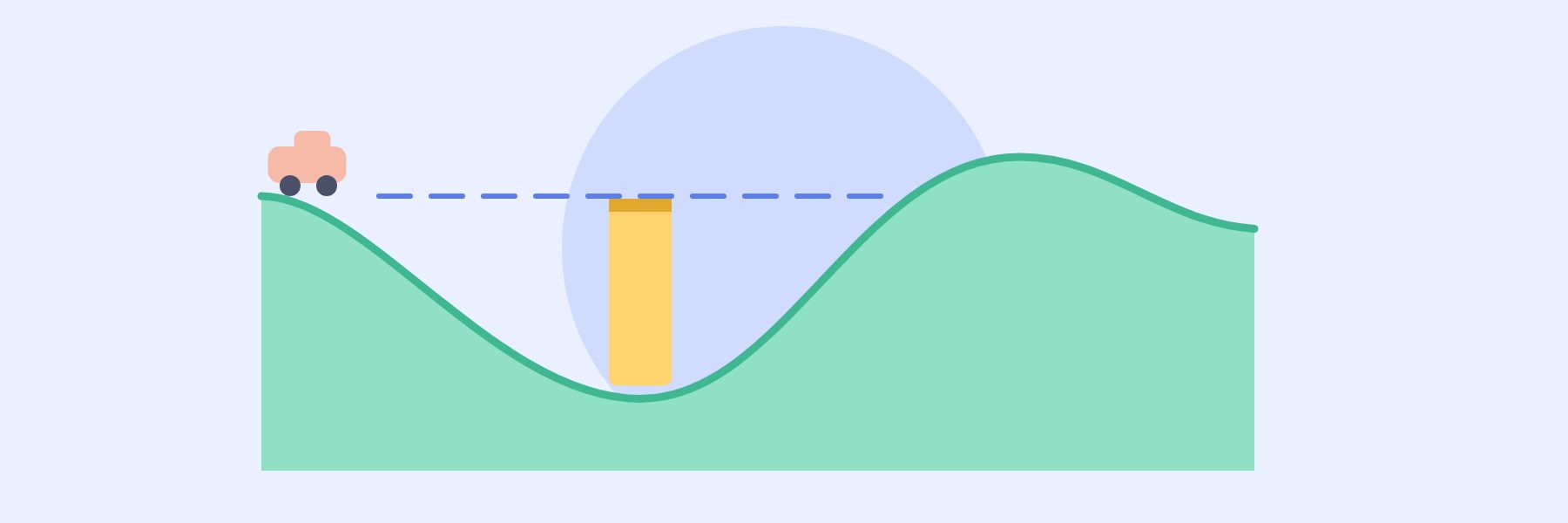
Let a car go from the top of a hilly track and watch its energy change between kinetic and potential, and into heat when there is friction.

Push a cart across ice, wood and carpet. Watch the forces on it, and find out how the net force and the mass decide how its motion changes.


Count the bubbles a pondweed gives off under a lamp, and find out how the lamp's distance changes how many appear each minute.
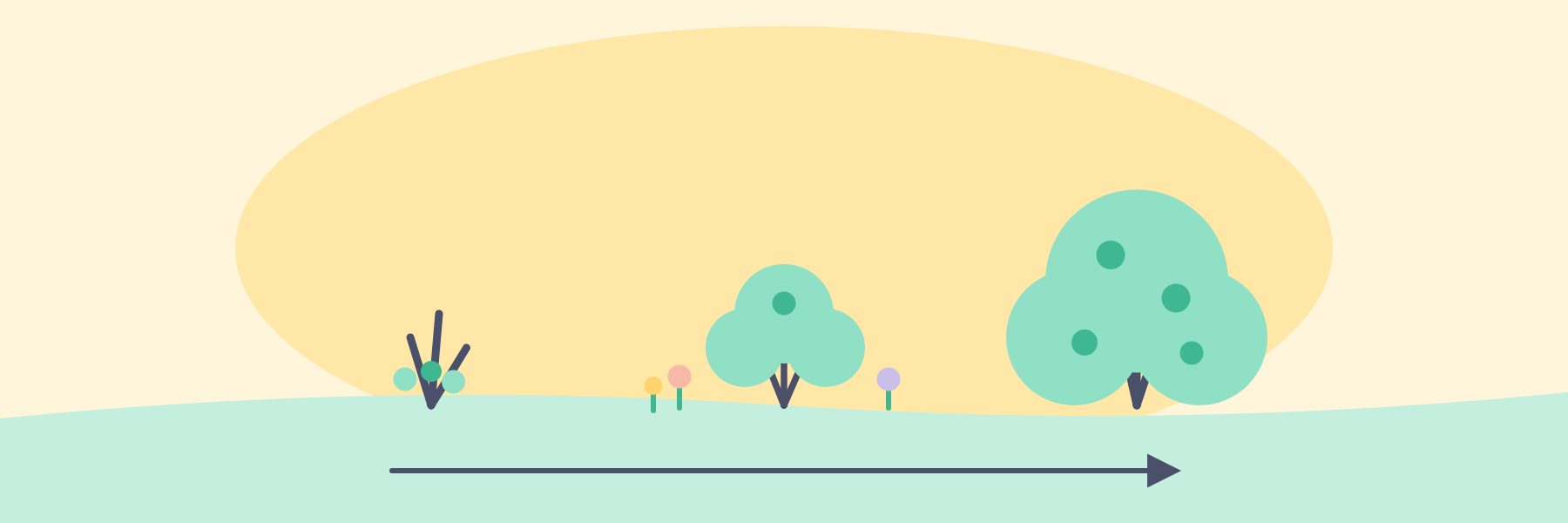
Scrub through 20 years after a Southern California chaparral fire, watch wildflowers, shrubs and animals return at different rates, and use the evidence to test claims.
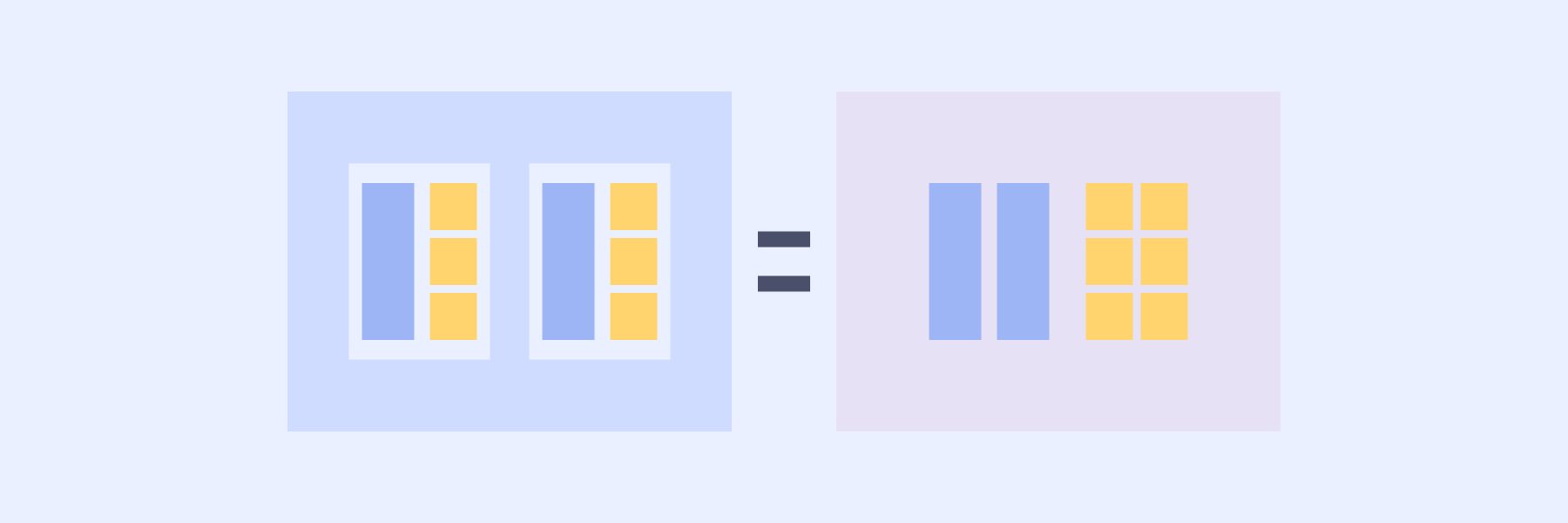
Build expressions from x-tiles and unit tiles, distribute, collect like terms and factor, then test equivalence by substituting values for x.
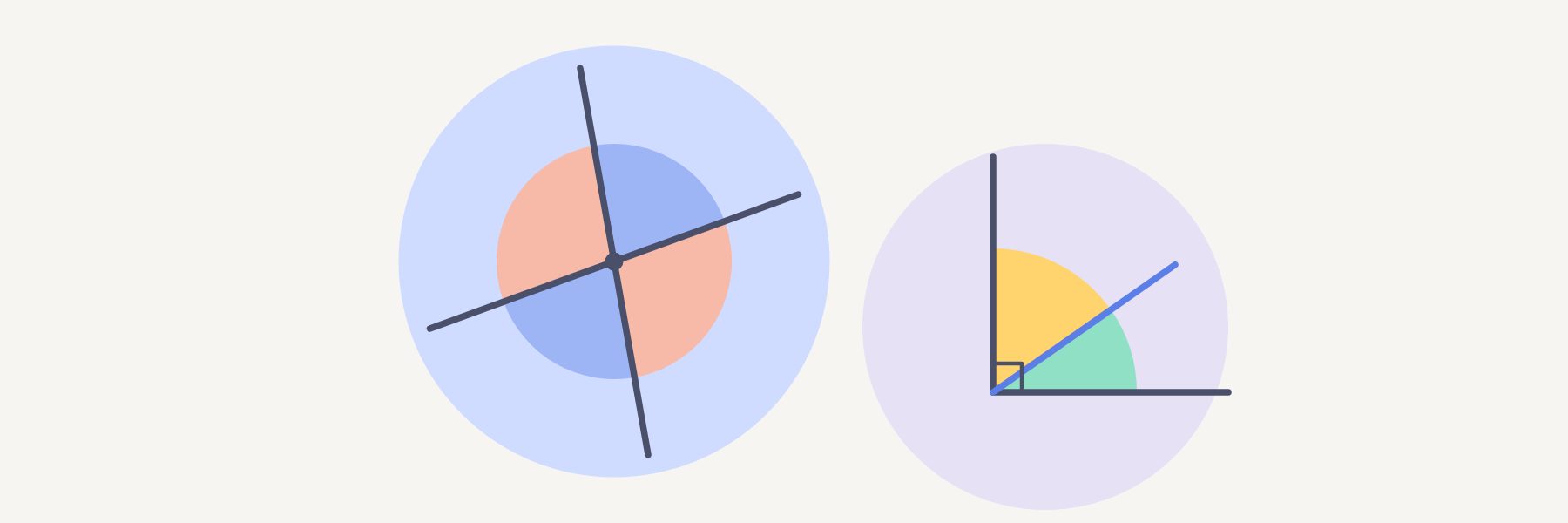
Drag a line or ray to change the angles, find unknown angles from vertical, supplementary and complementary relationships, and solve simple equations for them.
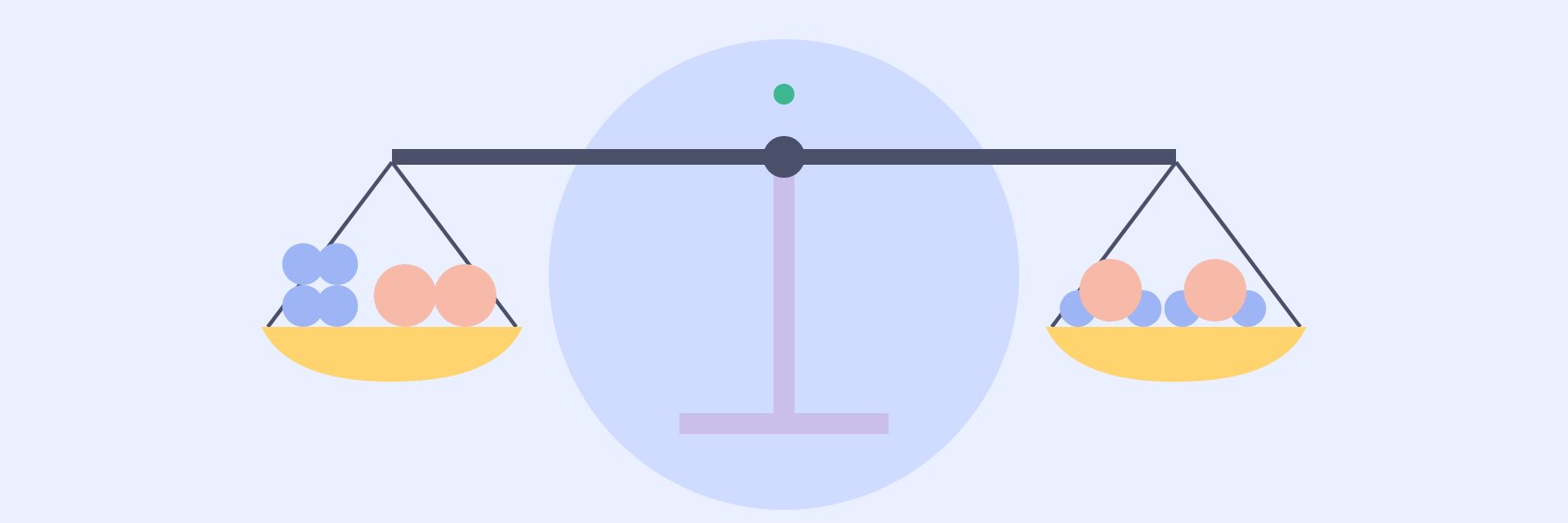
Change the coefficients in chemical equations until every atom on the left appears on the right, and watch total mass stay the same.
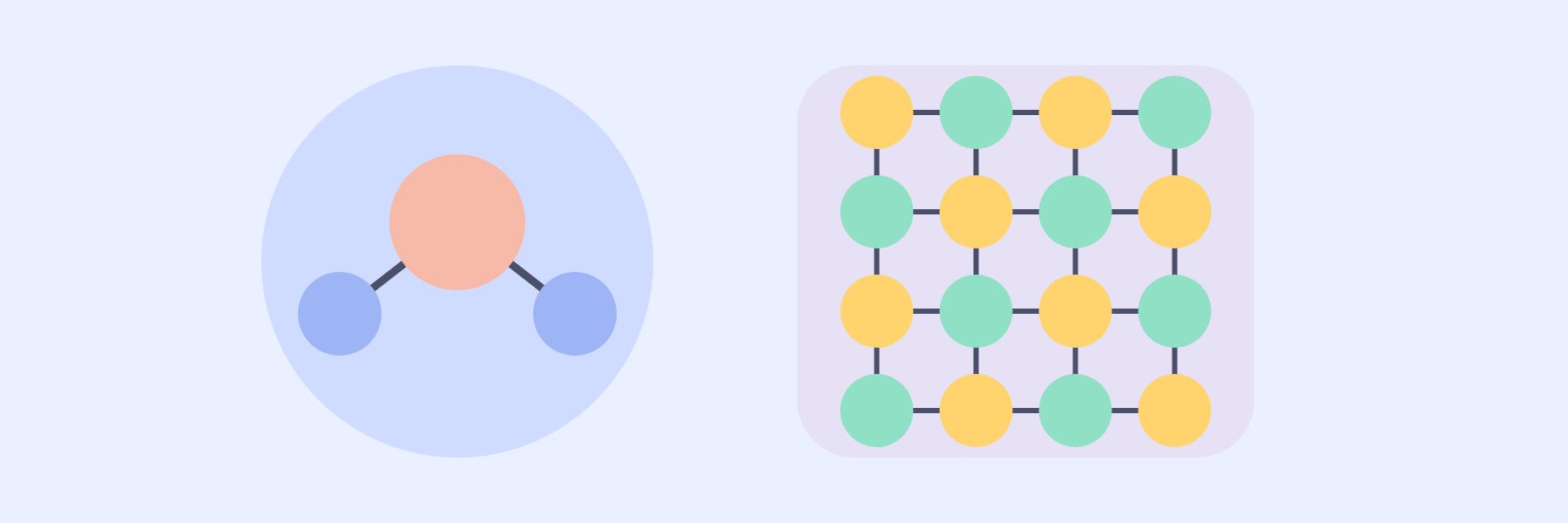
Join atoms by their bonding capacity to build water, ammonia, carbon dioxide and methane, then compare small molecules with extended structures like salt and diamond.
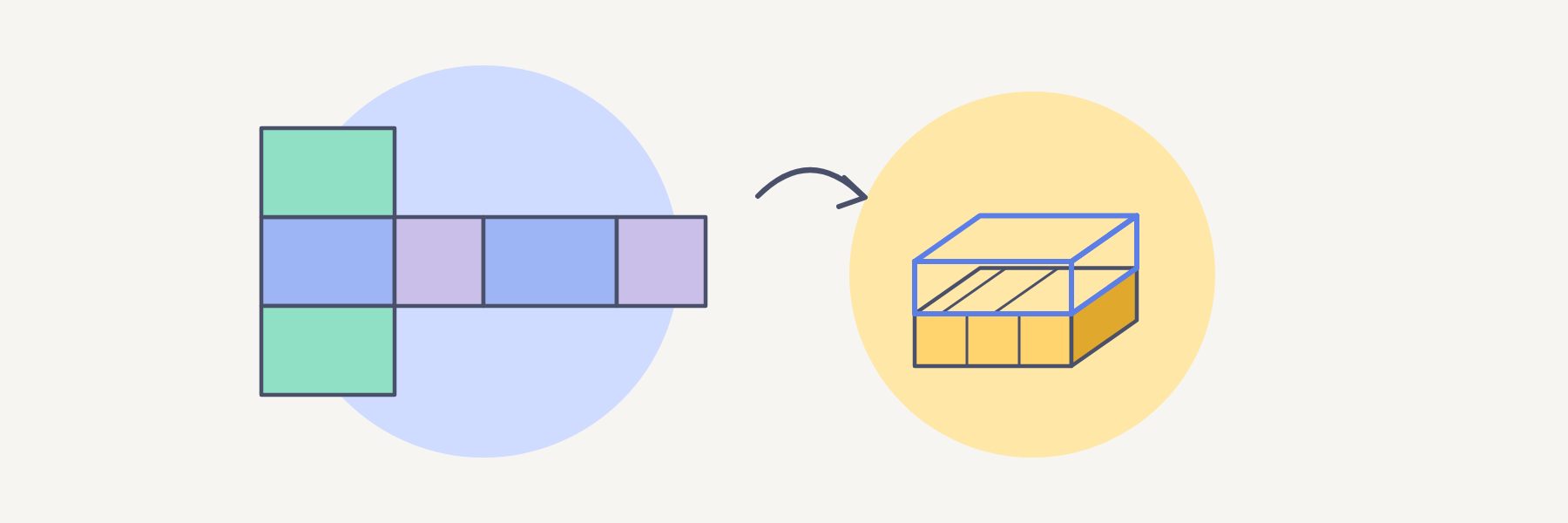
Unfold right rectangular and triangular prisms into nets to find surface area face by face, and fill them layer by layer to find volume.
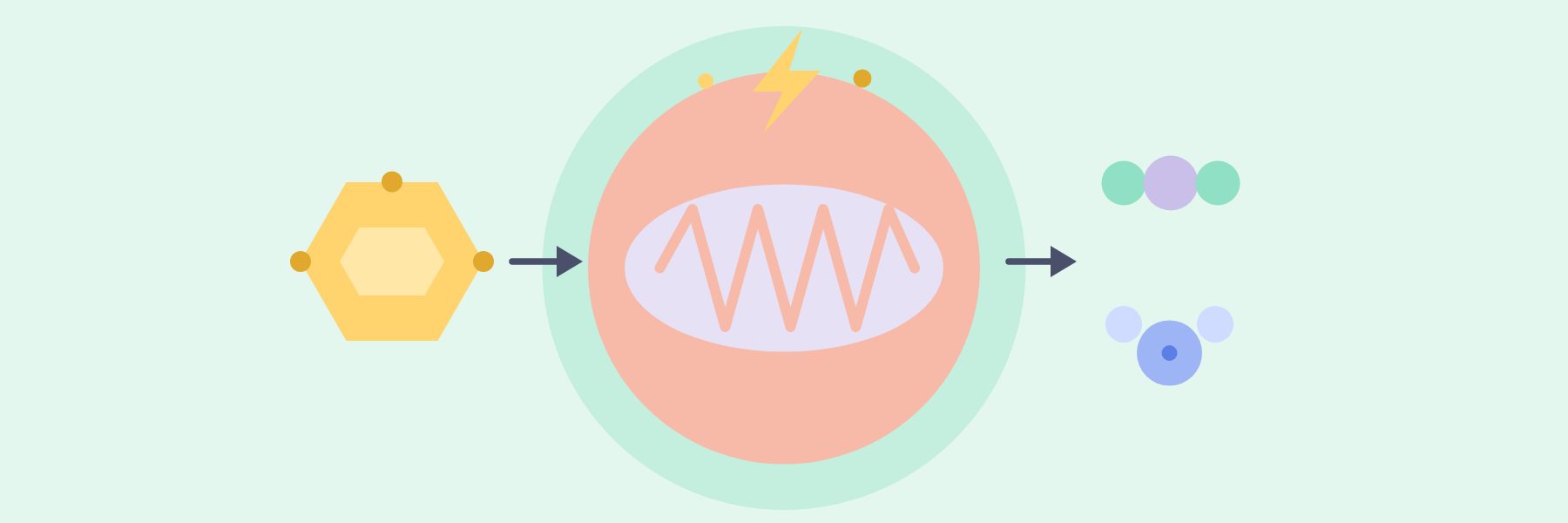
Feed a plant or animal cell sugar and oxygen, run its mitochondria, and track every atom and every unit of mass as energy is released.
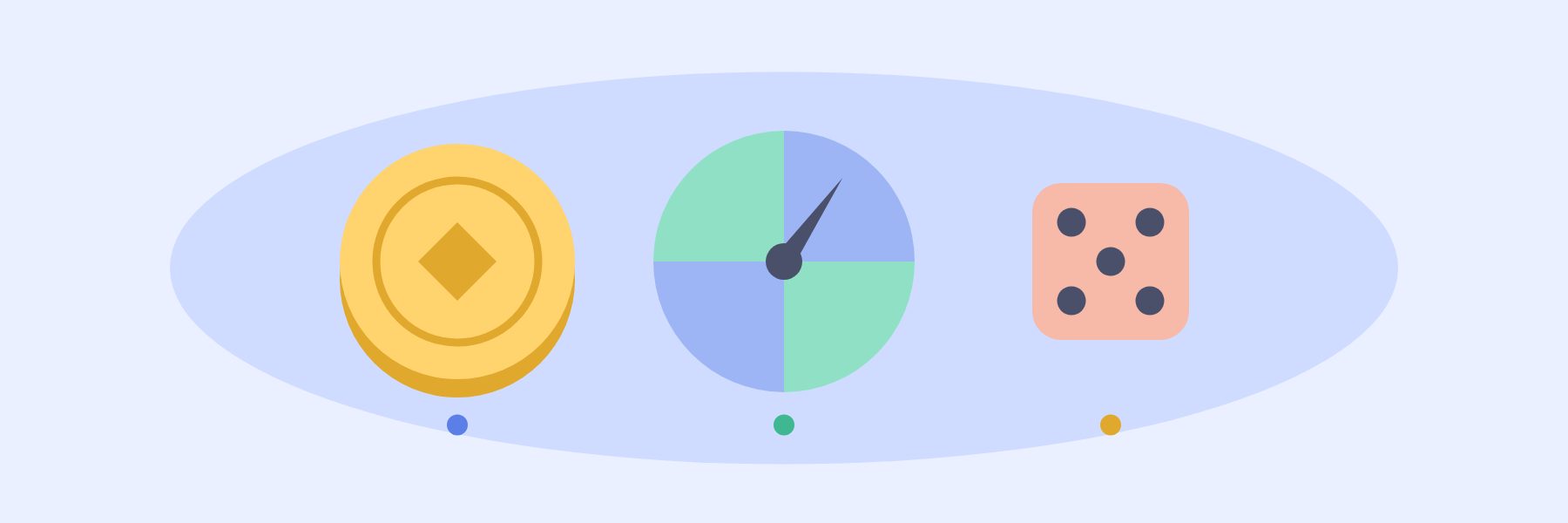
Spin spinners, flip coins and roll number cubes with seeded trials, compare experimental and theoretical probability, and find compound probabilities with tree diagrams and organised lists.

Slide back in time to fit South America, Africa, India, Antarctica and Australia together, line up their fossils and rocks, and read the ages of the seafloor.
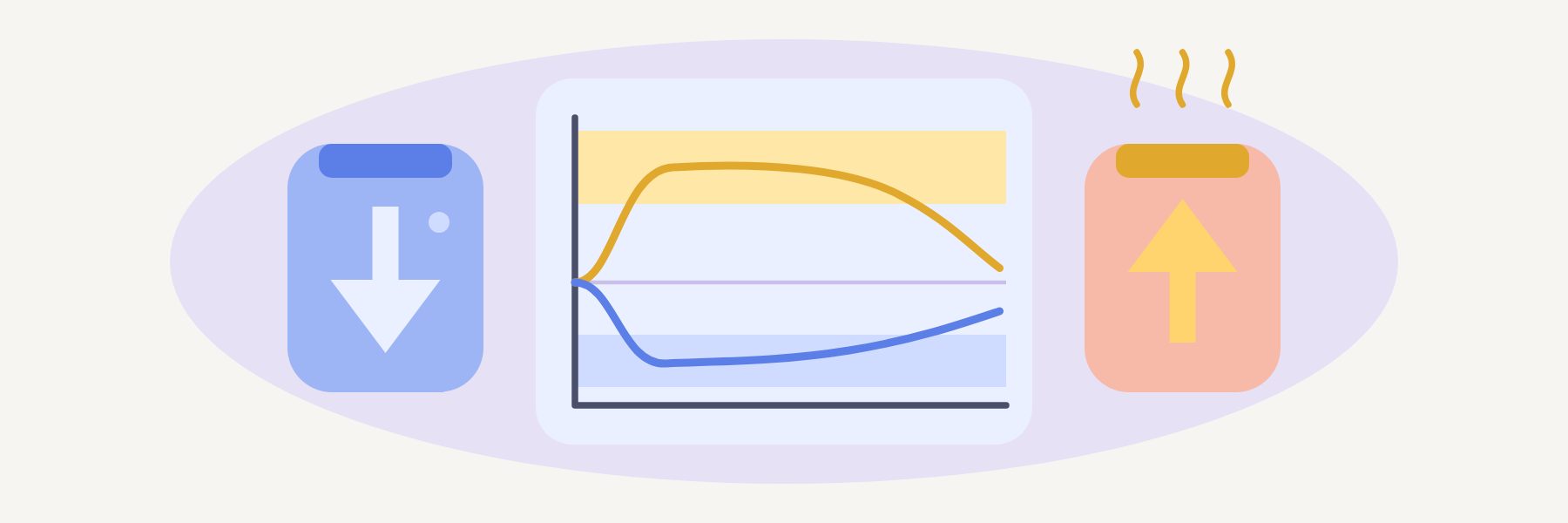
Test chemical processes that release or absorb thermal energy, then design a cold pack and a hand warmer that meet temperature, time and safety criteria.

Choose and stack layers of gravel, sand, activated charcoal and cloth, test how clear, fast and cheap the filter is, and improve the design to meet criteria and constraints.
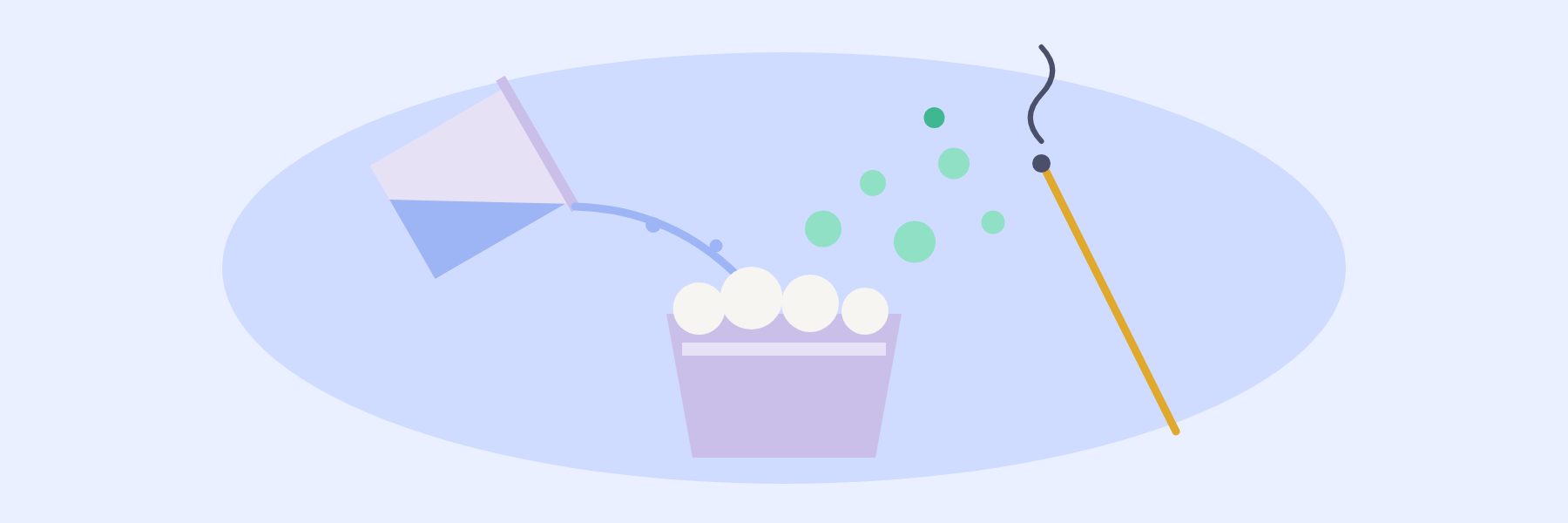
Make a change happen, compare the substances' properties before and after, and decide whether new substances formed in a chemical reaction.
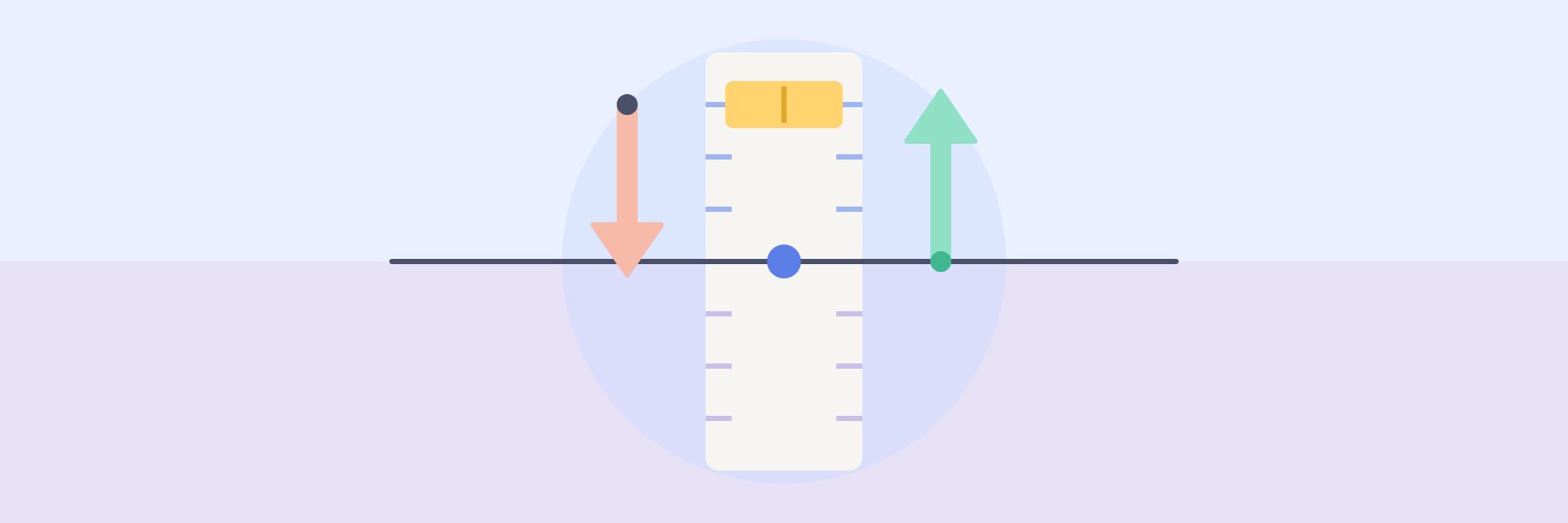
Ride an elevator above and below ground to add positive and negative integers, see opposites make 0 and find distances between floors.
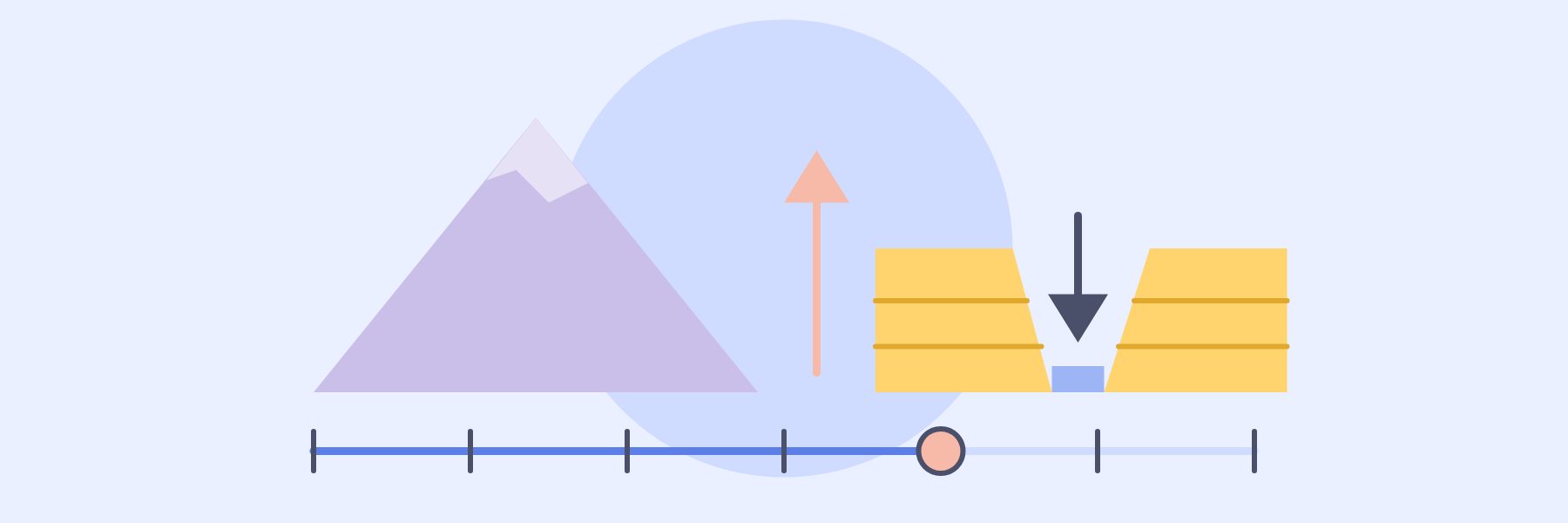
Scrub a time line from seconds to millions of years and watch landslides, flash floods, canyon cutting and mountain uplift change a landscape, then compute their rates.
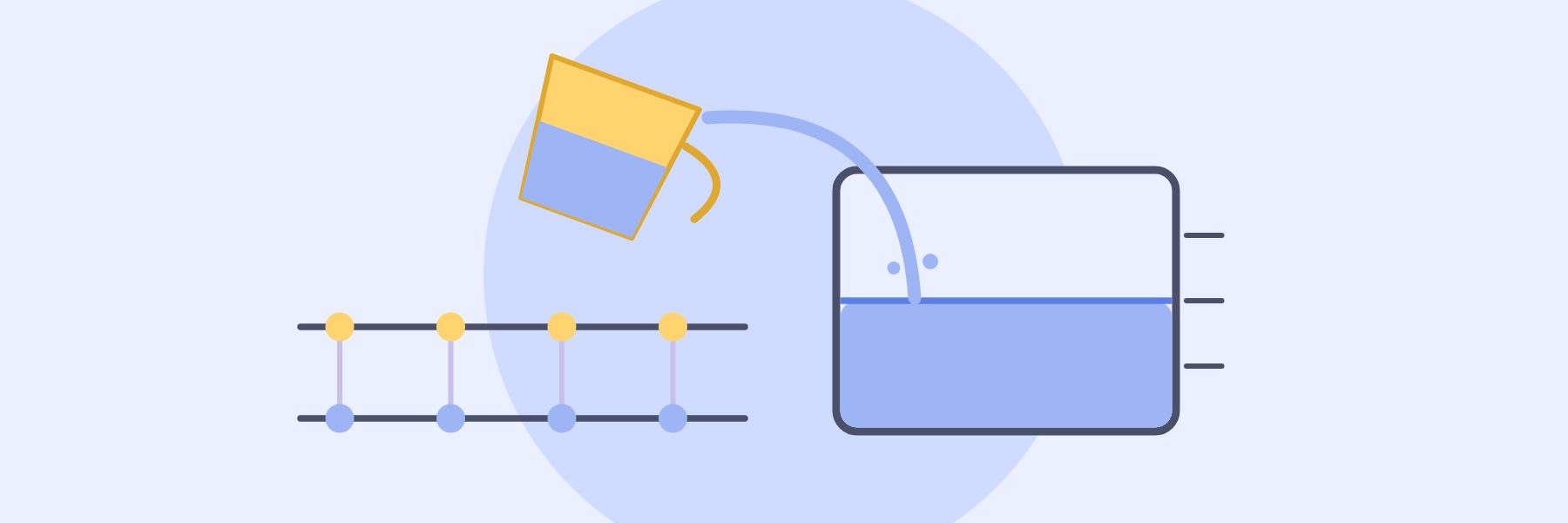
Pour water into a tank in fractional amounts and fractional minutes, then find gallons per minute and predict how long a tank takes to fill.
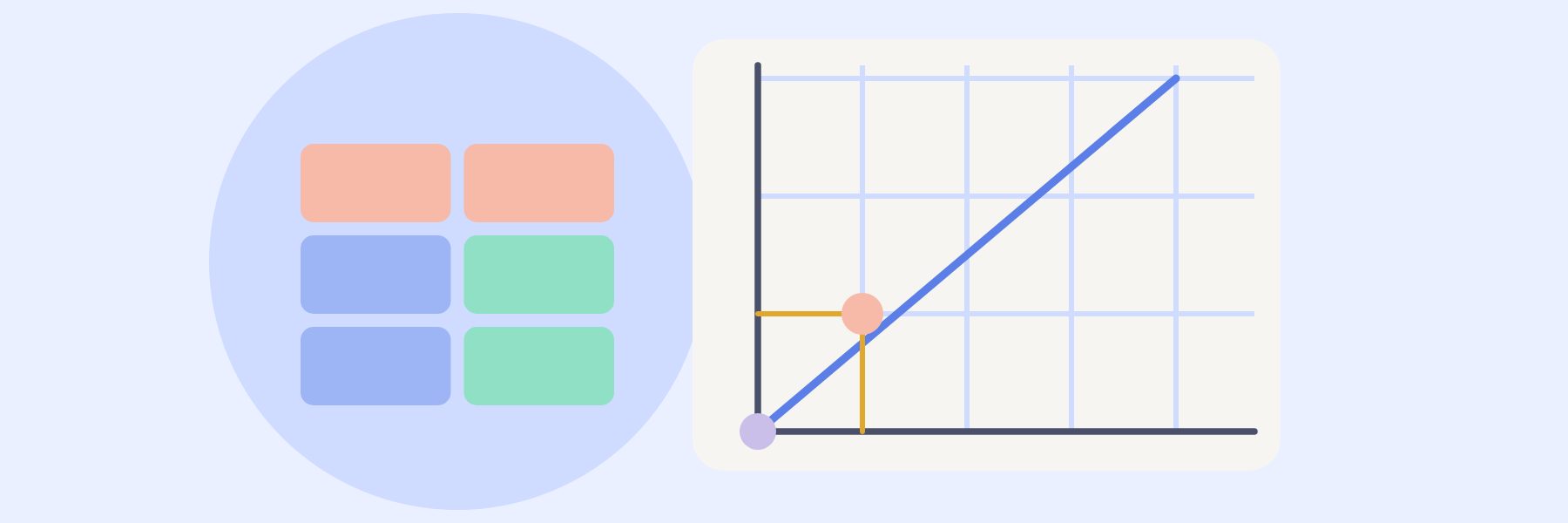
Find the constant of proportionality from a table, a graph, an equation and a description, and explain what (1, k) and (0, 0) mean.
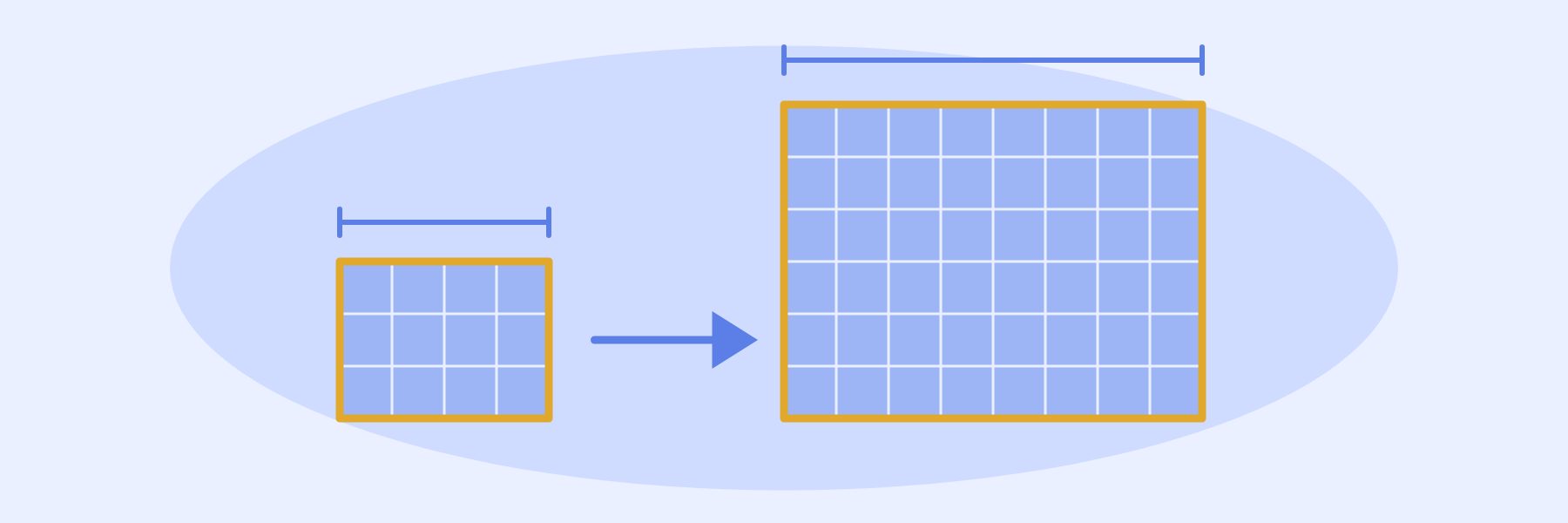
Read a floor plan drawn to scale, work out real lengths and areas, and redraw a room at a new scale.

Build a California kelp-forest food web by drawing arrows the way energy flows, follow matter back through decomposers, and see how little energy reaches the top of the pyramid.
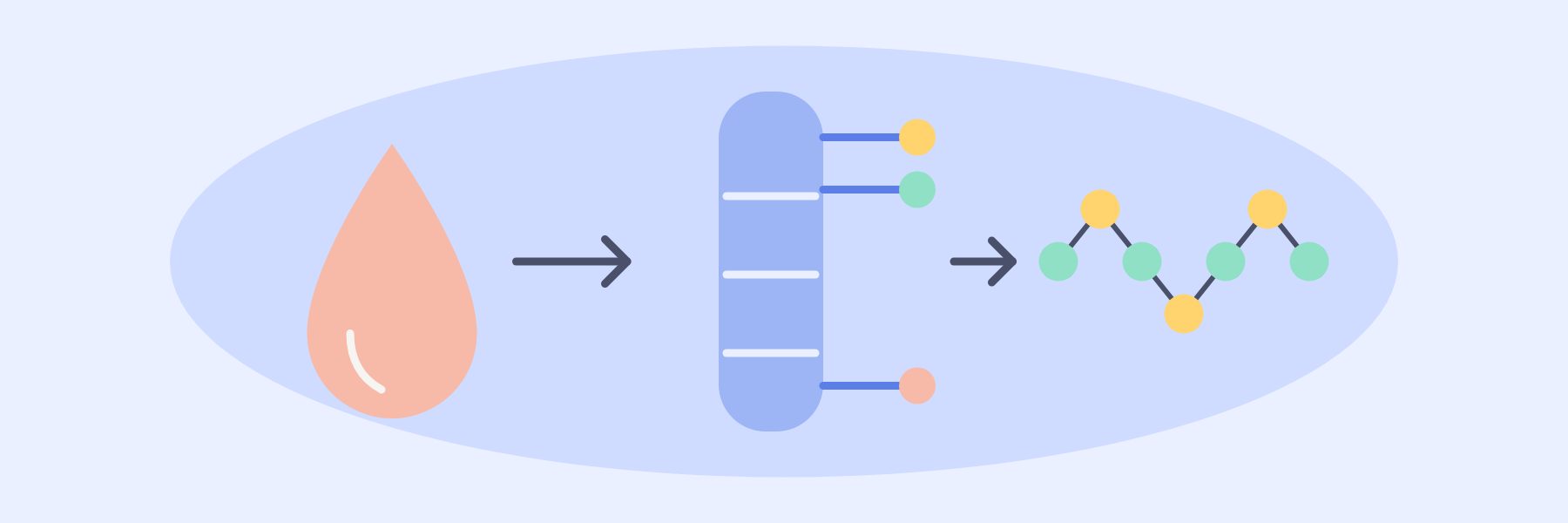
Put the steps from crude oil to nylon products in order, see how a distillation column and polymerisation work, sort natural and synthetic fibres and weigh up their trade-offs.
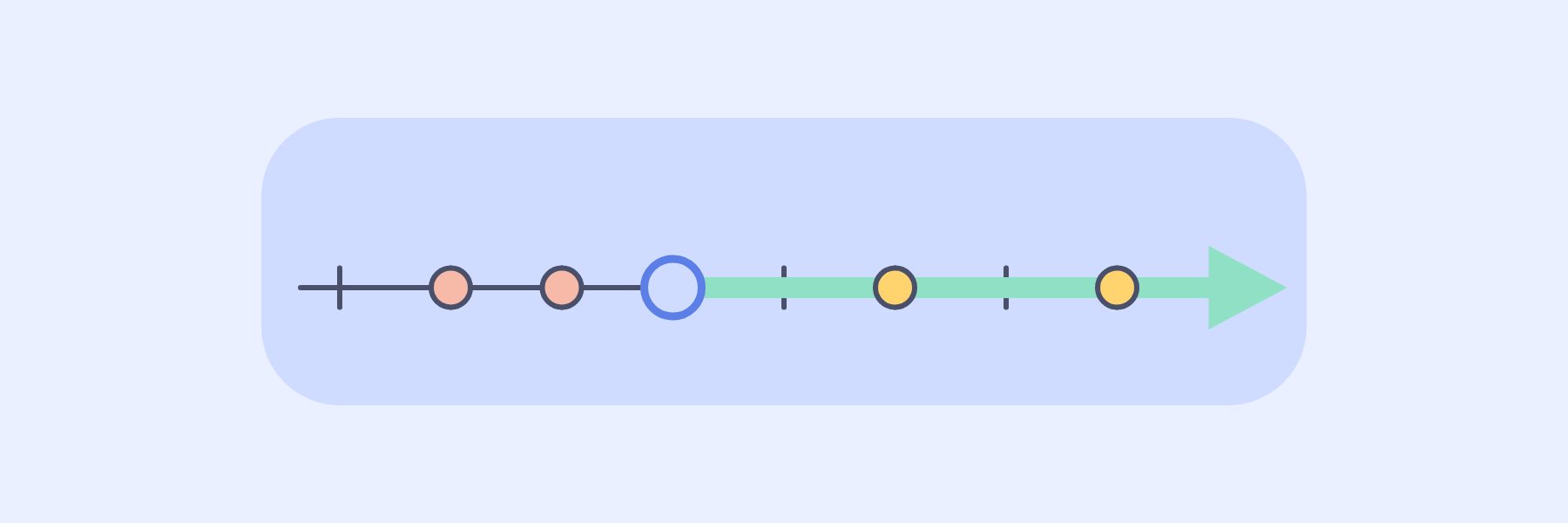
Solve word problems of the form px + q > r, graph the solution set and test values on a number line.
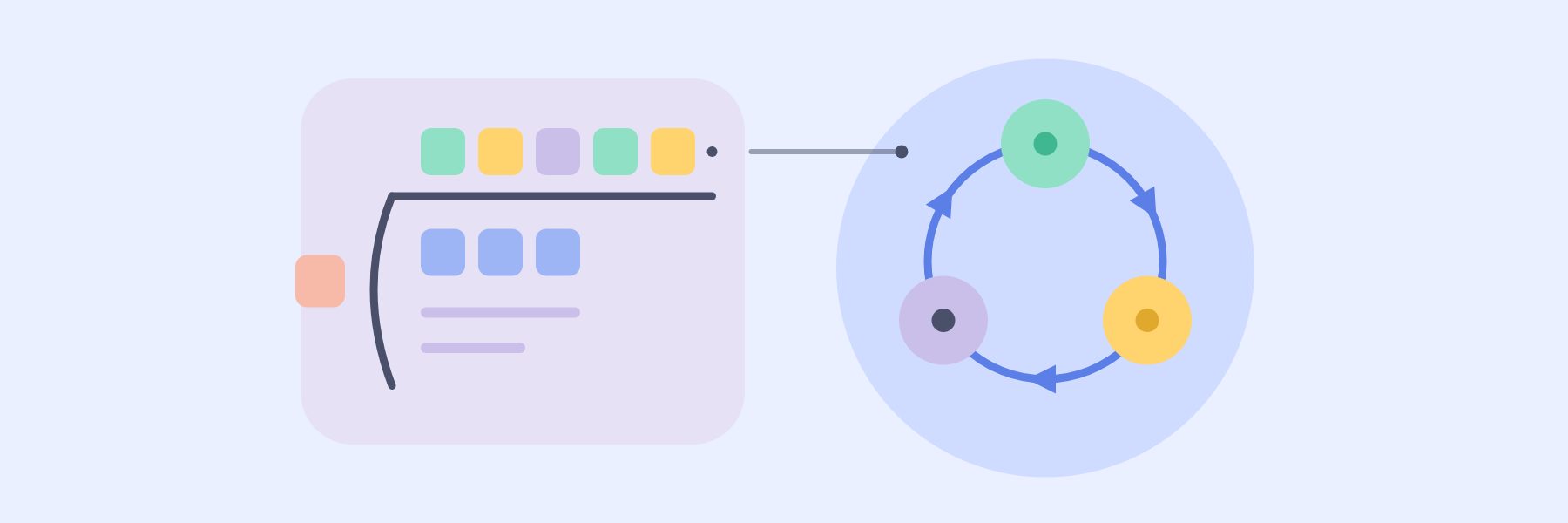
Step through long division, watch the remainders, and see why a decimal repeats as soon as a remainder repeats.
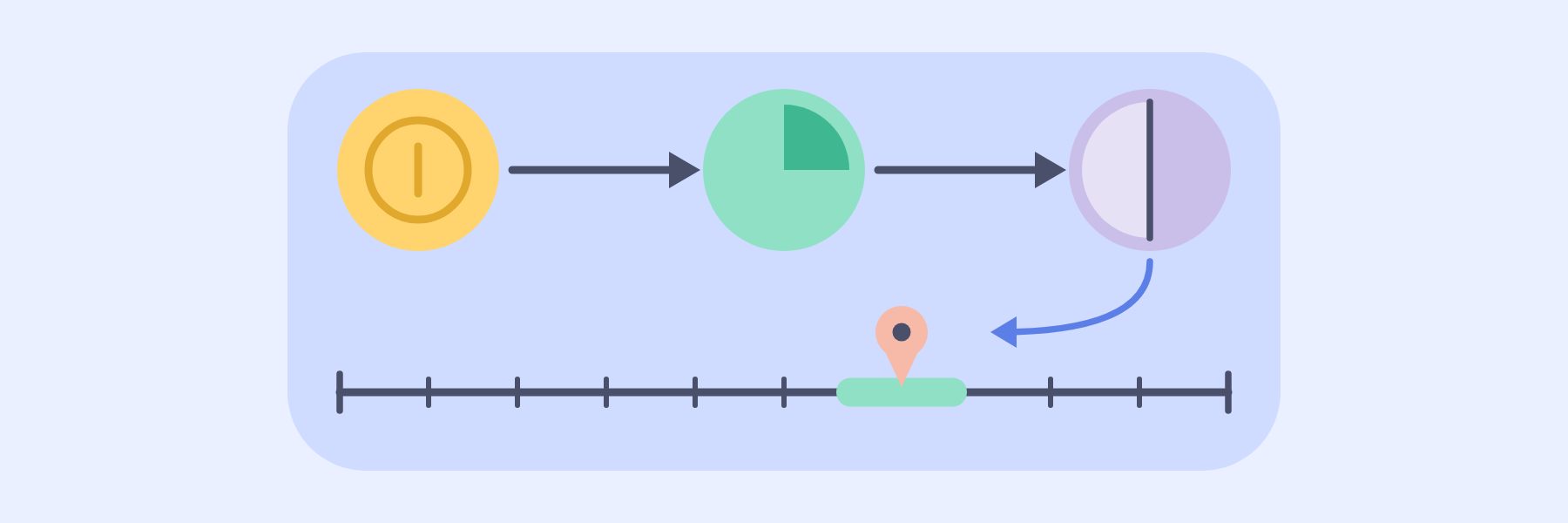
Work through problems that mix whole numbers, fractions, decimals and percents, estimating first and checking that the answer is reasonable.
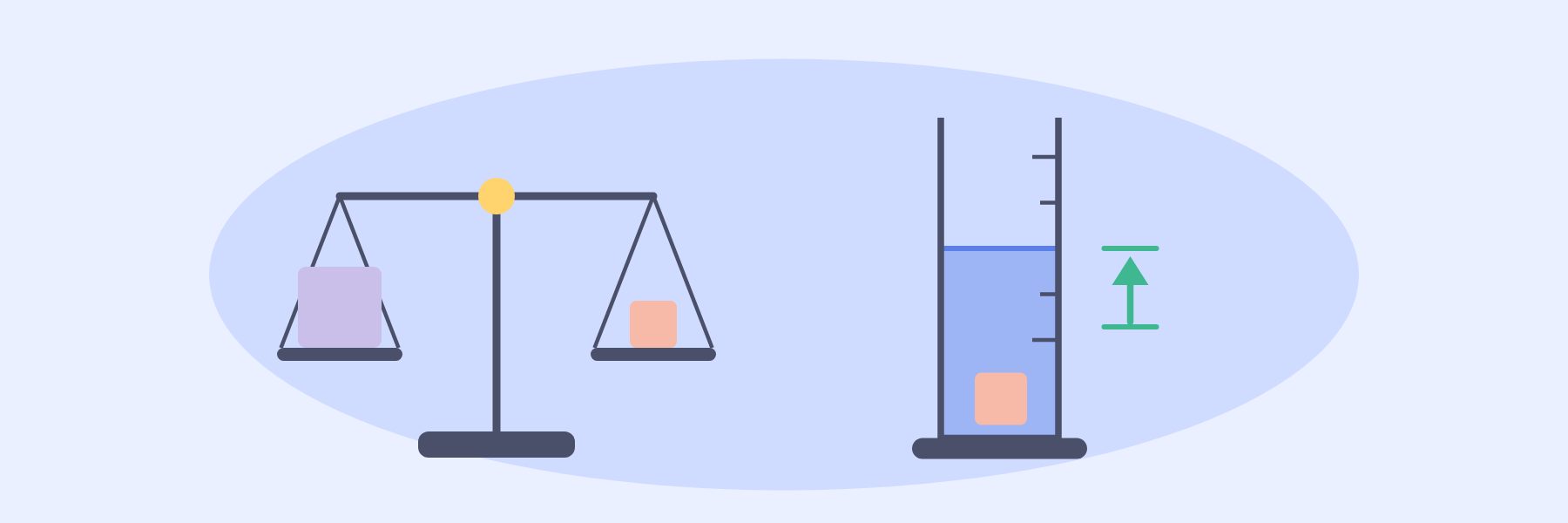
Weigh samples on a balance, find their volume by water displacement, work out density and compare it, with boiling point, against a table of real substances.
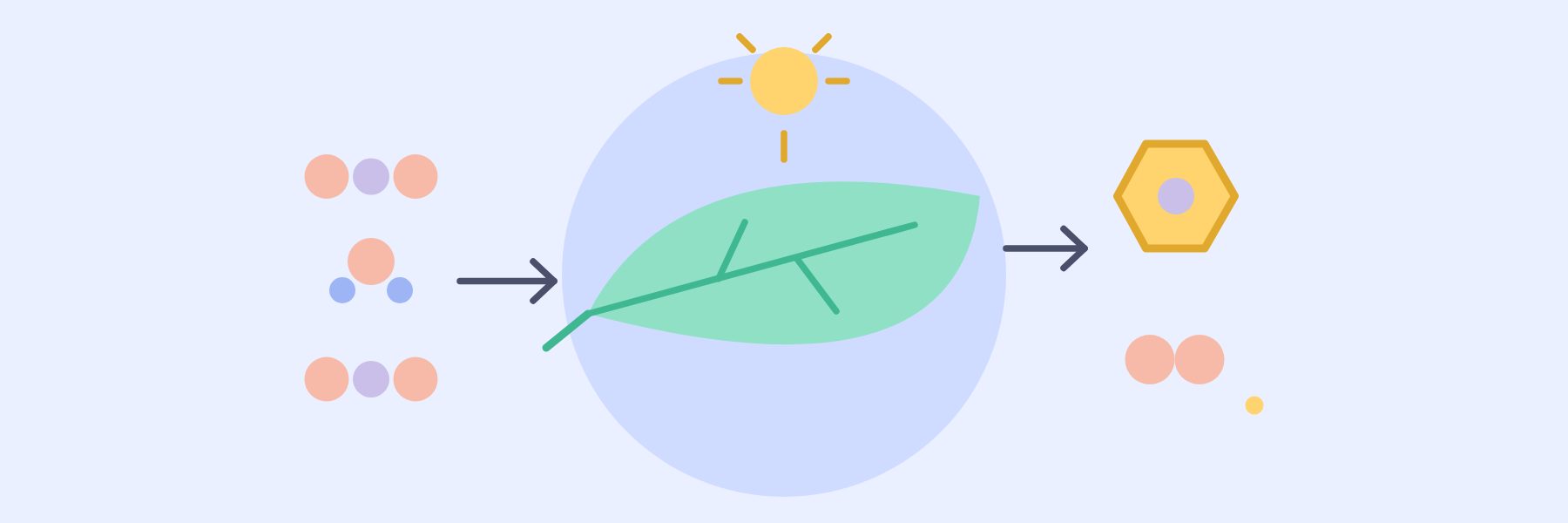
Feed a leaf carbon dioxide, water and light, run it, and count the atoms that go in and come out as sugar and oxygen.
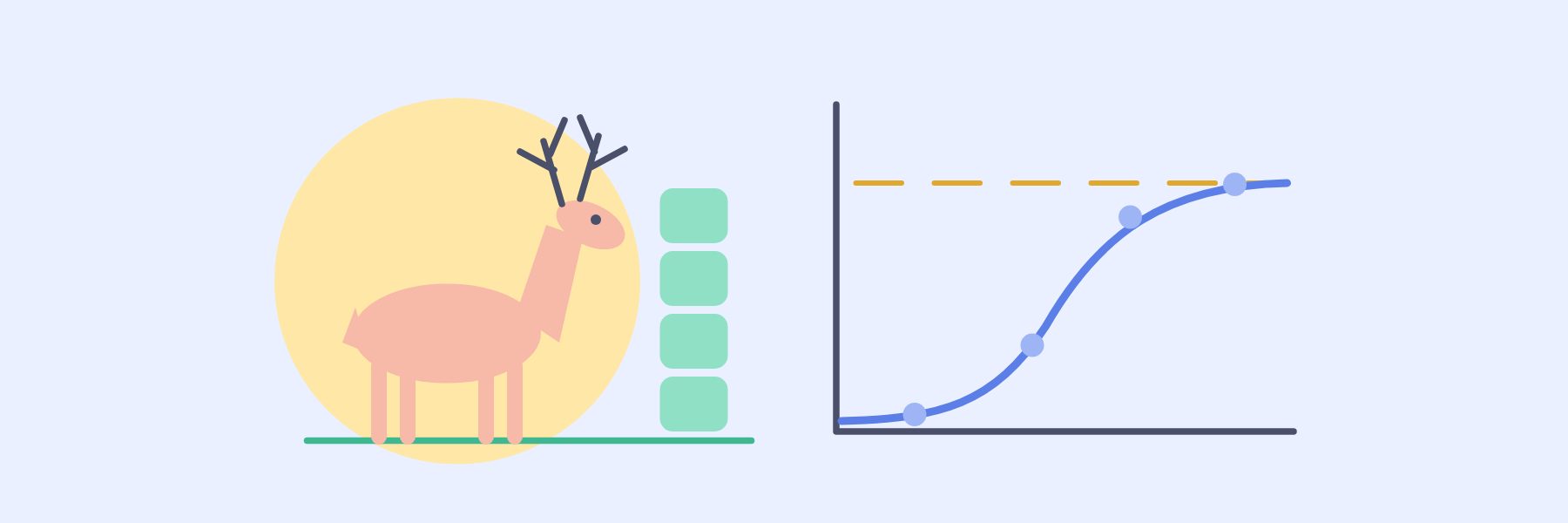
Set the food supply for a herd of tule elk, predict how the population changes over 30 years, then read the graph to see how resources set its size.
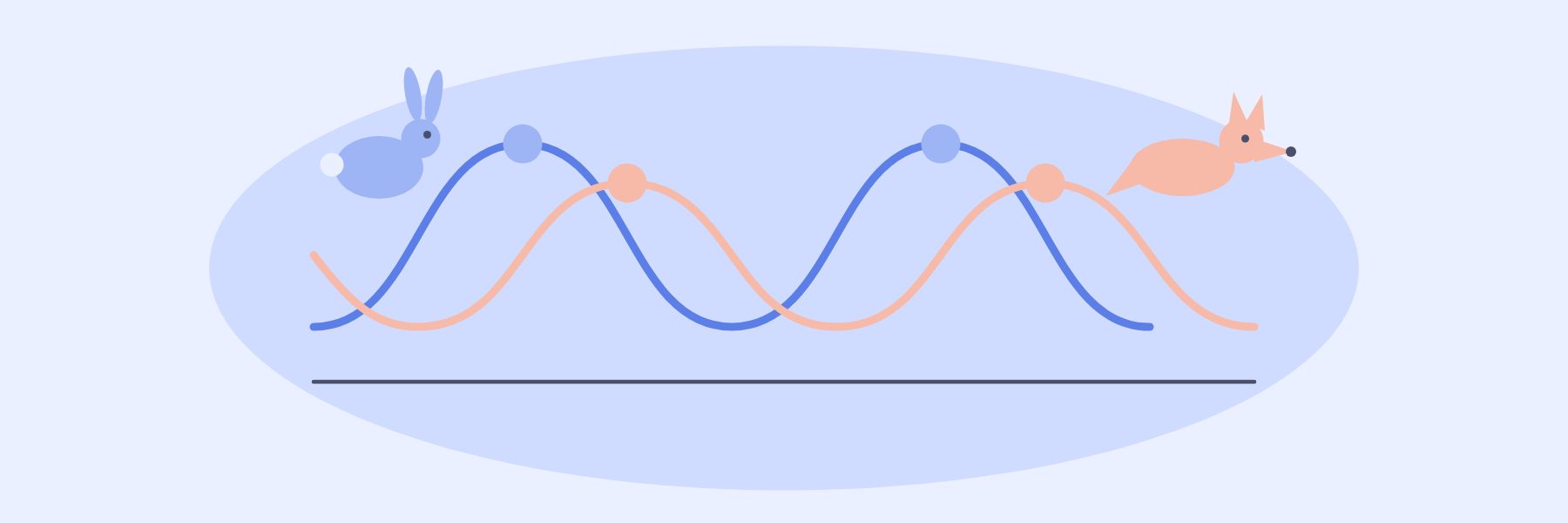
Run a model of coyotes and jackrabbits to see linked population cycles, then classify California interactions as predation, competition or mutualism.
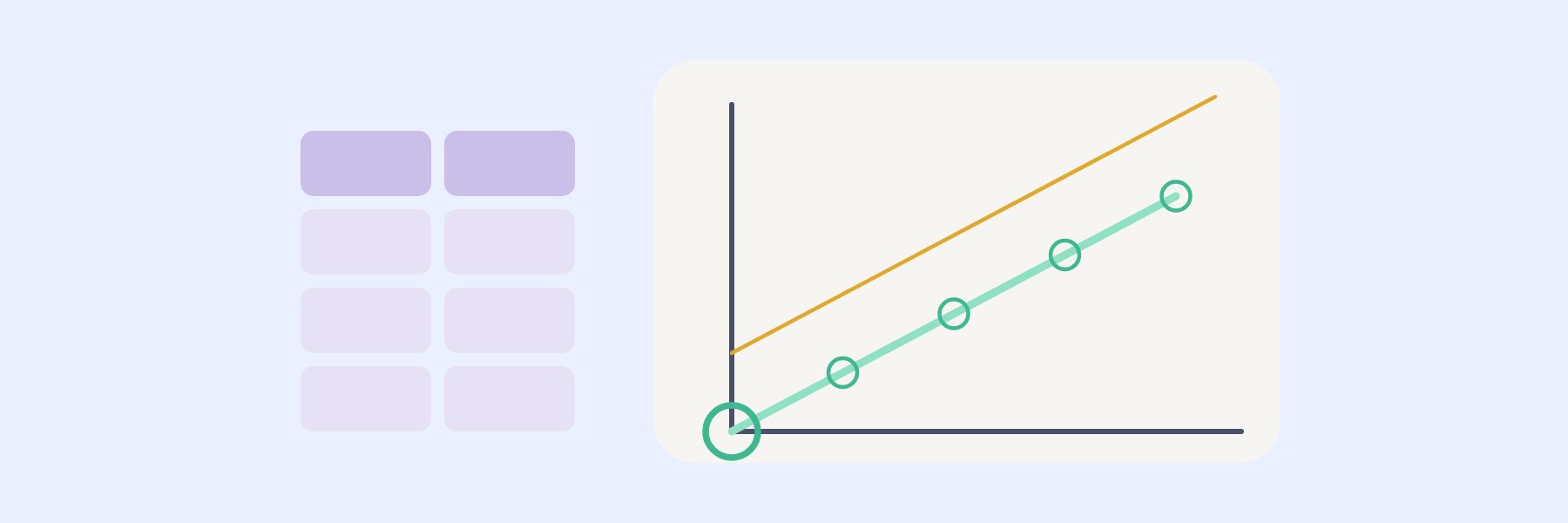
Plot tables, lay a ruler on graphs and test y ÷ x to decide whether two quantities are proportional.

A bayside town must choose how to protect a degraded tidal marsh. Score four designs on flood control, water filtration, habitat and cost, change the weightings, and see how the best choice depends on the criteria.
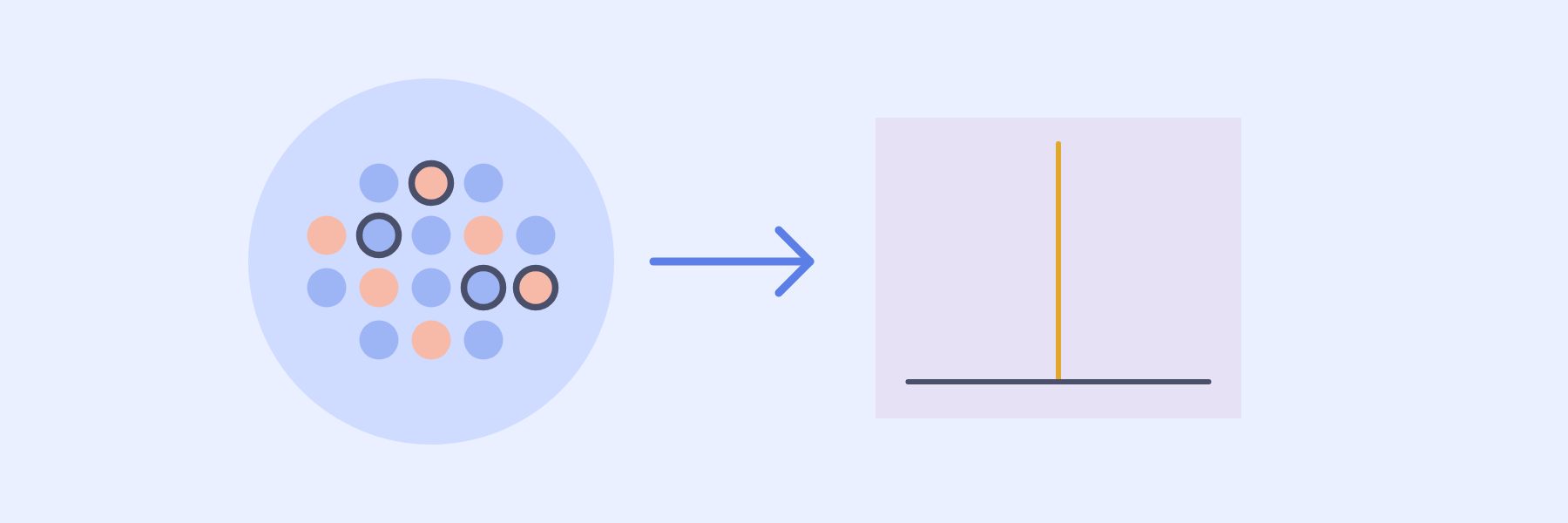
Survey random samples from 1,000 students, see how estimates vary with sample size, and compare a biased sample with a random one.
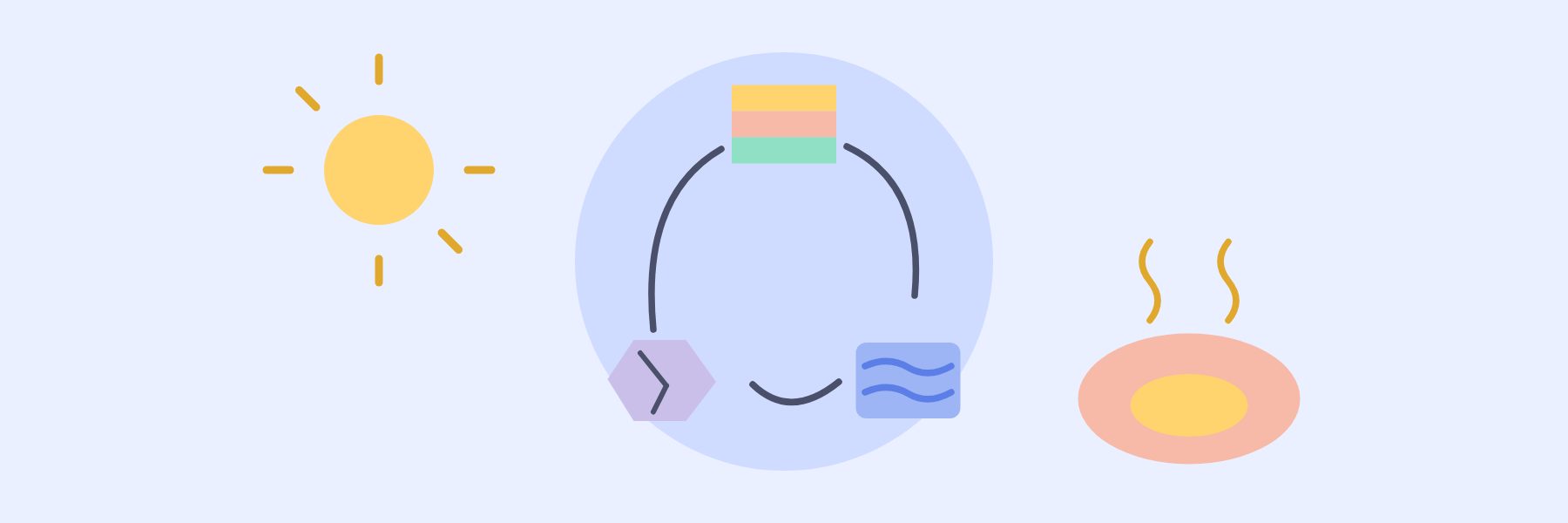
Apply weathering, deposition, compaction, heat and pressure, melting and cooling to move rock between igneous, sedimentary and metamorphic forms, and name the energy that drives each process.
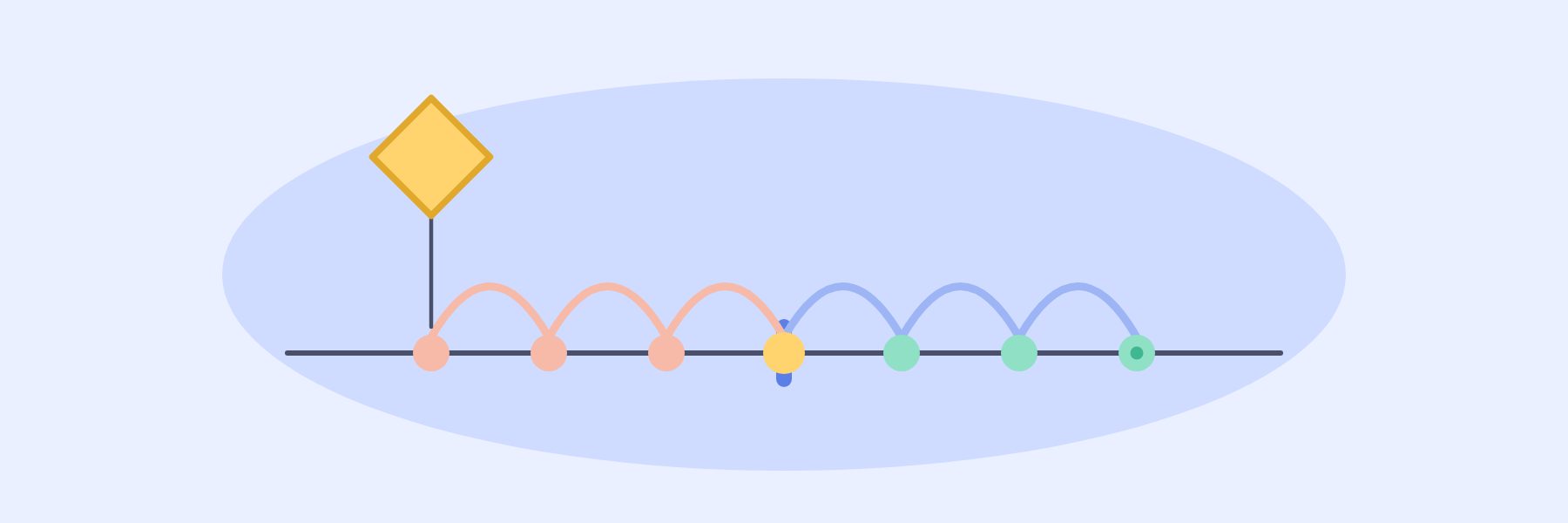
Extend multiplication patterns past zero to discover the sign rules, then divide integers by finding missing factors.
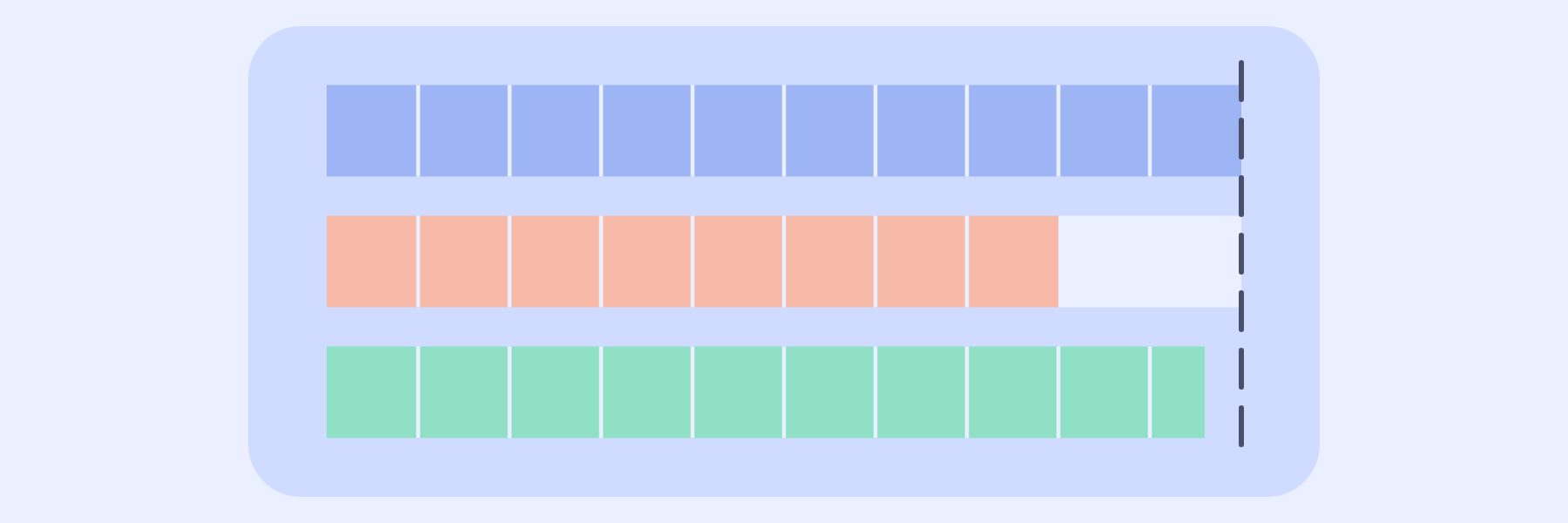
Use bar models to work out sales tax, tips, markups, discounts, successive percents and percent error at the store.
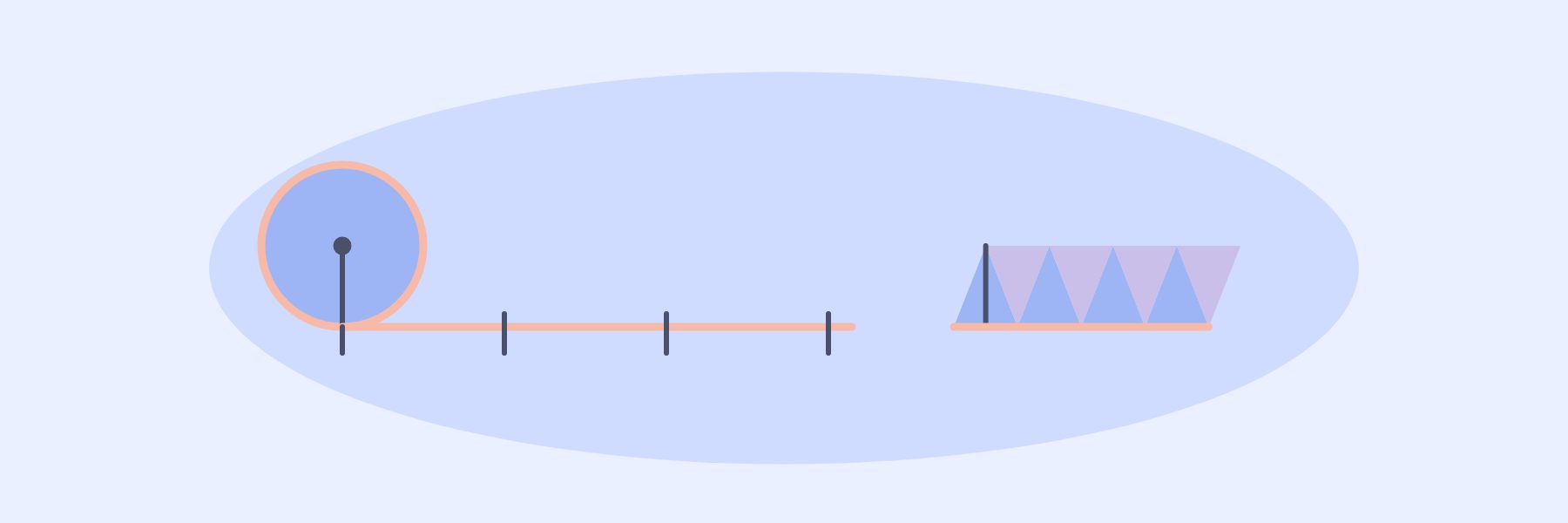
Roll a circle to unroll its circumference, and cut it into sectors that rearrange into a near-parallelogram to see where A = πr² comes from.

Turn on gold, oil, groundwater and geothermal layers over a map of California and explore how past geologic processes put each resource where it is.

Swing three sides to see when they close into a triangle, and test which sets of angles give one, many or no triangles.
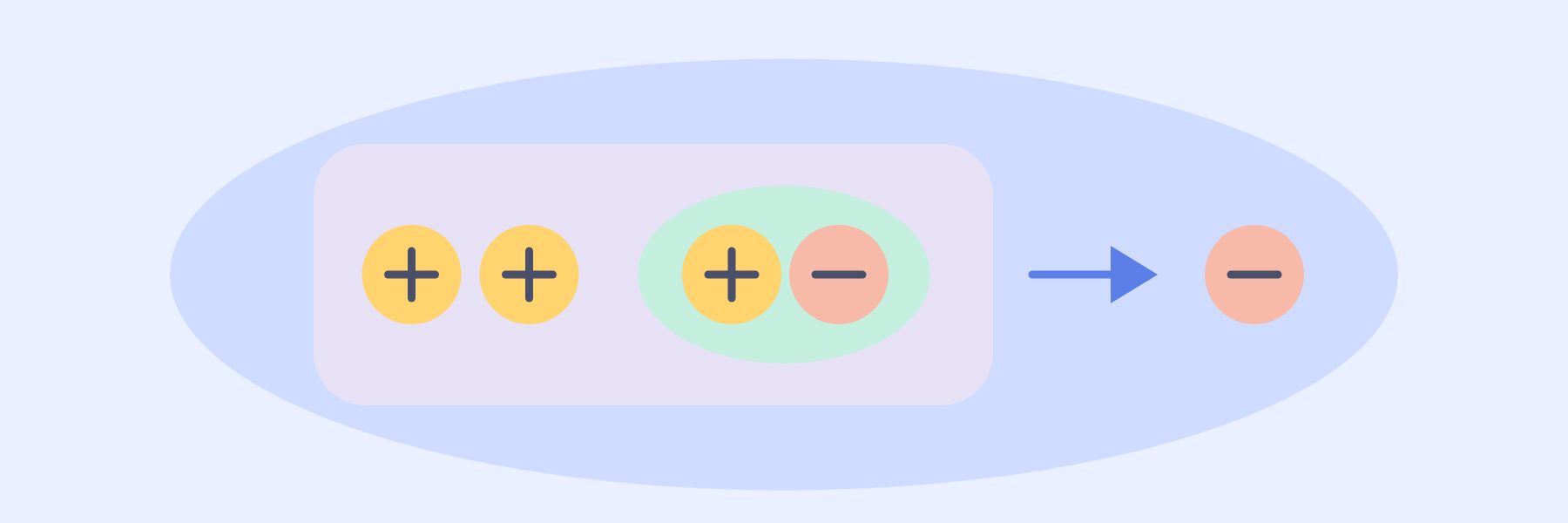
Subtract integers by taking counters away, adding zero pairs when there are not enough, and see why p − q = p + (−q).
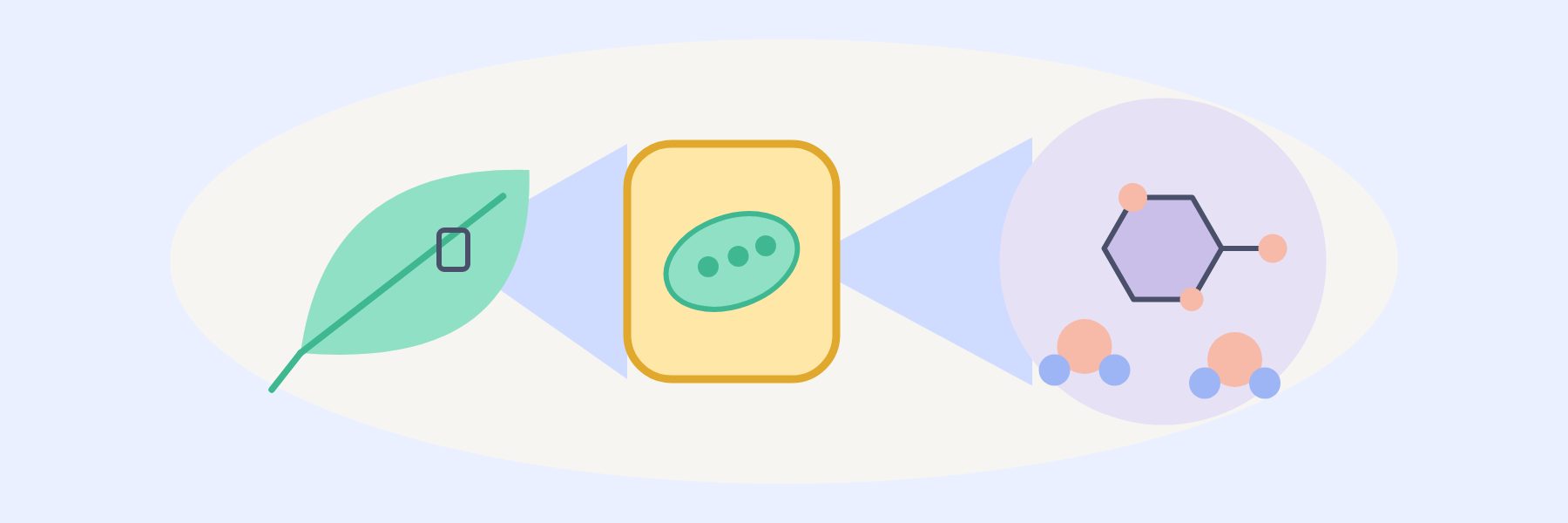
Zoom from a whole leaf to its cells, a chloroplast and finally the water and glucose molecules inside, with a scale bar and powers of ten at every step.
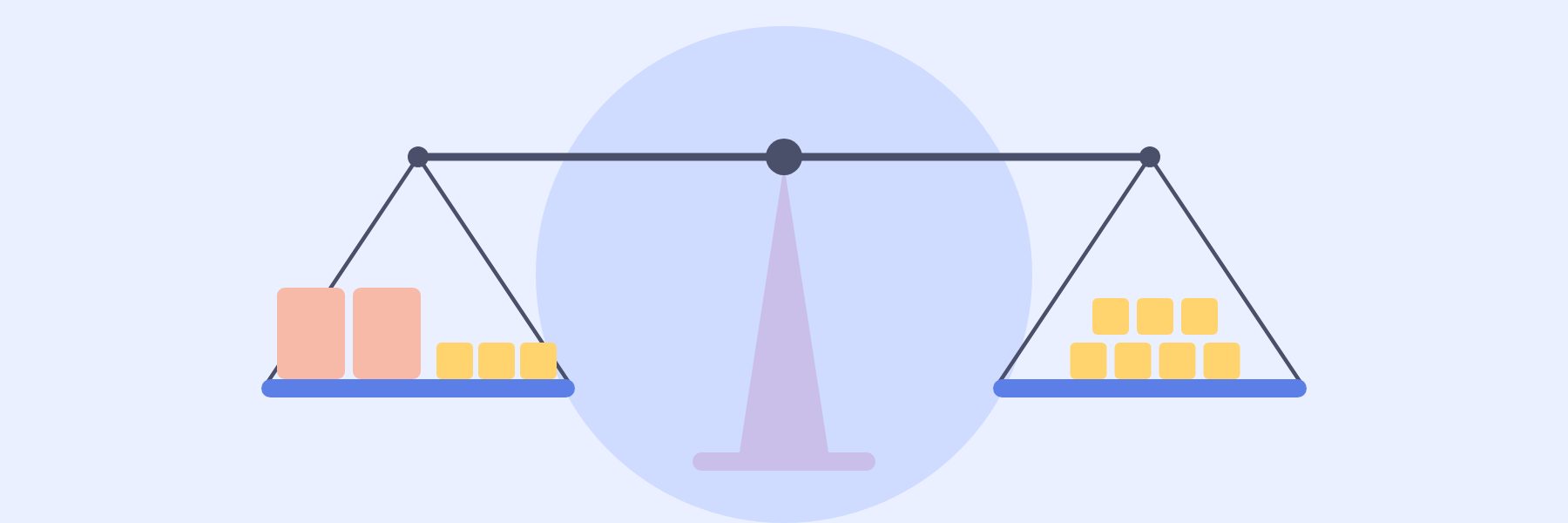
Keep the scale balanced while you take away and share out tiles, and the value of x appears.
Turn the dial to add or remove thermal energy and watch the particles speed up, slow down and change state.

Cut prisms and pyramids with a plane and name the shape of the cut face.